
These are the tips we wish someone had told us when we were teens.
As kids move into their teen years, many things shift. Not just for them, but for us too. When it comes to food, our role slowly changes from managing and directing to teaching and guiding. Teens start making more of their own choices, and lectures and strict rules usually fall flat. We have less control, and that’s ok, because they need space to learn from their own experience. What’s more appropriate and more effective is role modeling and a little education, because as much as we’d like healthy living to be intuitive, most teens benefit from some direction.
Below are our top ten health tips for teens. These are not rigid rules to follow, but simple ideas that make eating feel easier and less stressful.
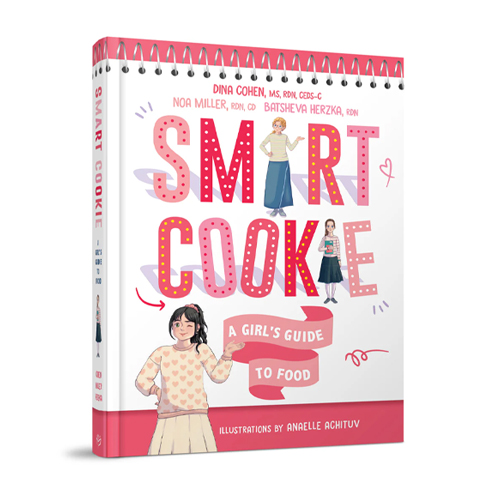
If you’d like a more complete guide to eating well for teens, you’ll want to know that we wrote an entire book titled “Smart Cookie: A Girl’s Guide to Food” to educate and empower pre-teens and teens.
Here are our top 10 health tips for teens:
1. Your body and your mind work together.
Eating well, sleeping enough, and moving your body all affect how you feel. Knowing how to handle stress helps too. When one area improves, there is usually a positive impact on the others as well. While you might see a lot of buzz about eliminating foods to feel more energized, keep in mind that feeling tired and grumpy might just mean you need more sleep or movement.
2. There is no such thing as perfect eating.
And luckily, there doesn’t need to be. Our nutritional needs fluctuate over time and our eating is impacted by many different things. A healthy eating pattern over time matters far more than getting every meal “exactly right”.
3. Add protein, fat, and fiber
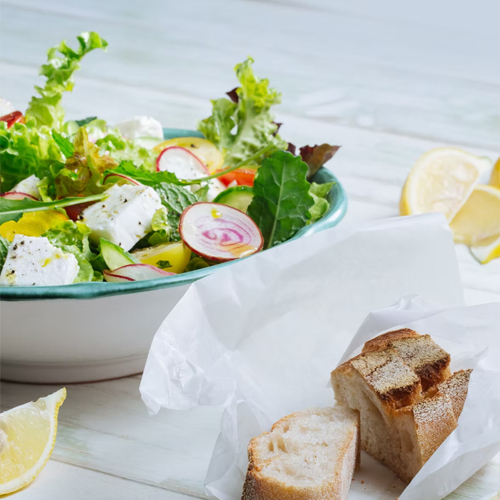
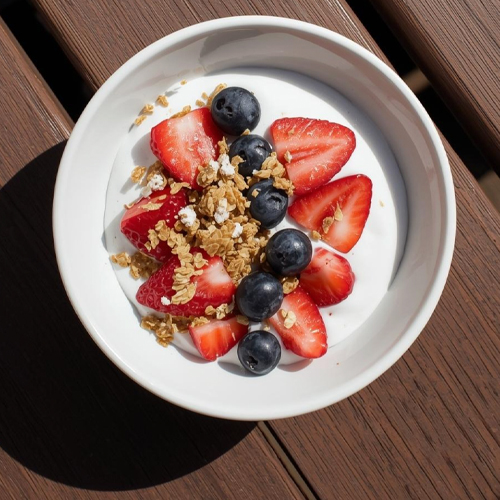
Try aiming for at least three food groups with meals and a couple of food groups with snacks. If you are starting with bread, add some eggs or cheese, and veggies. Instead of just pretzels, try pretzels with hummus or peanut butter. Adding sources of protein, fat, and fiber will help balance your nutrition and keep you fuller.
4. Breakfast and lunch matter.
Starting the day with a balanced meal and eating a satisfying lunch sets you up for better focus, better energy, and fewer late-day crashes. Fueling consistently every few hours will help you do the things you need to do during your day (and keep you in a better mood while you do them).
5. Your body’s cues are the best “portion control”.
Pay attention to hunger and fullness and trust that your body knows what it’s doing. Learning to notice and trust those signals helps you figure out how much food you actually need. Rather than listening to external rules about how much to eat, turn inwards and trust that your body knows what you need.
6. Feelings and food often overlap.
Many people snack when they’re stressed, bored, or upset. That’s normal. But it helps to build other coping tools too, so food isn’t the only one. When you find yourself reaching for a snack when you know you are not hungry, ask yourself: “What am I really looking for?” The answer may be some fun, a distraction, a reward, or something else. Once you identify the need, find a way to meet that need without food.
7. Movement should feel good.
Exercise is one of the best things you can do for your body and mood, but it shouldn’t feel like a punishment. Dancing, basketball, biking, swimming, and even horseback-riding all count. If you enjoy it, you’re more likely to keep doing it.
8. Weight gain during the teen years is normal.
Your body is growing and changing, and a lot is happening inside too! Your bones are getting stronger and your heart and lungs are getting bigger. Even after you reach your full height at age 15-16, your body is still maturing. Weight will likely increase slowly until it stabilizes at age 18-20.
9. Bodies are not meant to look identical.
Genetics play a very strong role in body size. Since your genetics are different from your friend’s, it may not be healthy for you to be as thin as your friend. If your natural body size is bigger, it can feel hard to be different from what society is saying is ideal. But remember that that’s a reflection on society and not a problem with your size. Bodies of all shapes and sizes need good nutrition, movement, and care.
10. Not every food and wellness trend is for you.
Gluten-free, intermittent fasting, collagen powders, protein shakes, juicing… trends come and go. Before trying something, be smart about it! Ask your doctor or dietitian what it actually does and whether it truly benefits your body.
- Are these things you were taught when you were growing up?
- Do you think your teen knows them?
- Use these tips as conversation-starters and find out!
Of course, teens notice what we do far more than what we say. Supporting balanced habits and modeling a calm approach to food is invaluable. And don’t forget to step back and let them practice. There is no better teacher than experience!







|