

Sometimes, there’s an underlying reason why your child is not catching on as quickly as his peers. These fun and productive exercises can help you pinpoint the source of the weakness. These exercises are also helpful for teachers to identify why your student may be struggling and what to work on.
Educational research has come a long way in recent years.
The exciting news?
We now know how to help children who are just a step or two behind catch up at home—without needing endless extra support.
When kids practice these activities, you’ll often see that lightbulb moment—the joy on your child’s face when it finally clicks and they proudly say, “I got it!”
That’s exactly what these activities are designed to create.
Use them to check what your child already knows, and keep practicing the skills they haven’t yet mastered until that lightbulb turns on.
Kriah – Hebrew Reading with Nekudos
The following are four skills children commonly struggle with when learning to read.
- Eye Movements for Kriah
Kriah requires quick eye movements both vertically and horizontally. For example, graph activities use the same type of eye movement.
Activity: Give your child an attached graph board with the cut-out pieces. Ask them to place the piece into the correct box.
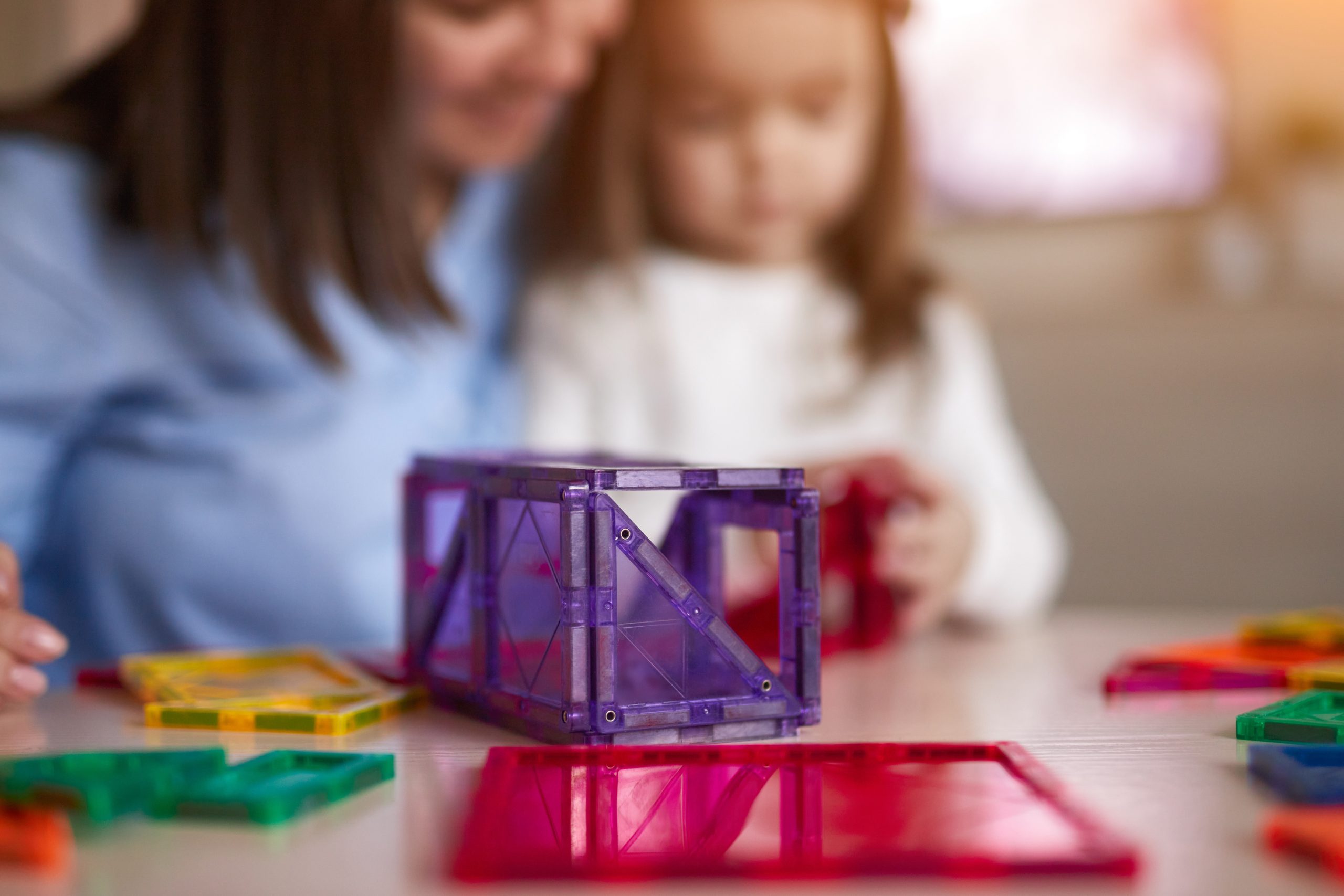
(This graph can also be duplicated using MAGNA-TILES® or your own shapes)
→ Parents: If your child struggles with this graph activity—meaning they have difficulty combining vertical and horizontal eye movements—it shows they do not yet have the ability to see all the Nekudos and letters in a word.
- Blending
Blending is the ability to put sounds together to form a word—even without seeing any letters. In fact, a single letter with a Nekuda is really two sounds blended into one:
בָּ = ָ + בּ
Activity: Blending Sounds
- Parent says: N + O → “What word does that make?”
Child responds: “NO” - Parent says: U + P → “What word does that make?”
Child responds: “UP”
Don’t worry if your child doesn’t yet know their letters. At this stage, it’s all about hearing and blending sounds into words. Start small with 2-sound blends, then move to 3, then 4:
- 2 sounds: u-p
- 3 sounds: c-a-t
- 4 sounds: h-a-n-d
→ Parents: Children who struggle with 2-sound blends will not be able to read a letter with a Nekuda.
- Differentiating Vowel (Nekudah) Sounds
Some children have a hard time hearing the differences between Nekudah sounds. Vowel sounds and Nekudah sounds are very similar. Here’s a step-by-step way to practice at home. Move to the next step only once your child has mastered the previous one:
Activity: Differentiating Vowel Sounds
- Step 1: Same or Different?
Say two words aloud (for example: “CAP” / “CUP”). Ask your child if the words sound the same or different. - Step 2: Sound Positioning
Ask your child to tell you the sound they hear at the beginning, middle, and end of a 3-letter word. - Step 3: Focus on Middle Sounds
Once they’re confident with step 2, spend more time on middle sounds/vowel sounds. This will teach them to hear and differentiate Nekudos.
→ Parents: Nekudos are very similar to vowel sounds. If your child struggles to hear the difference between vowels in English, they will also struggle to tell apart Nekudos in Kriah.
- Differentiating Similar-Looking Letters
Some children struggle with telling apart letters that look very similar. For some, the challenge is specifically with reversed or nearly identical letters (like שׁ vs. שׂ). For others, it may seem random—mixing up letters that look only slightly alike.
Activity: Spot the Difference
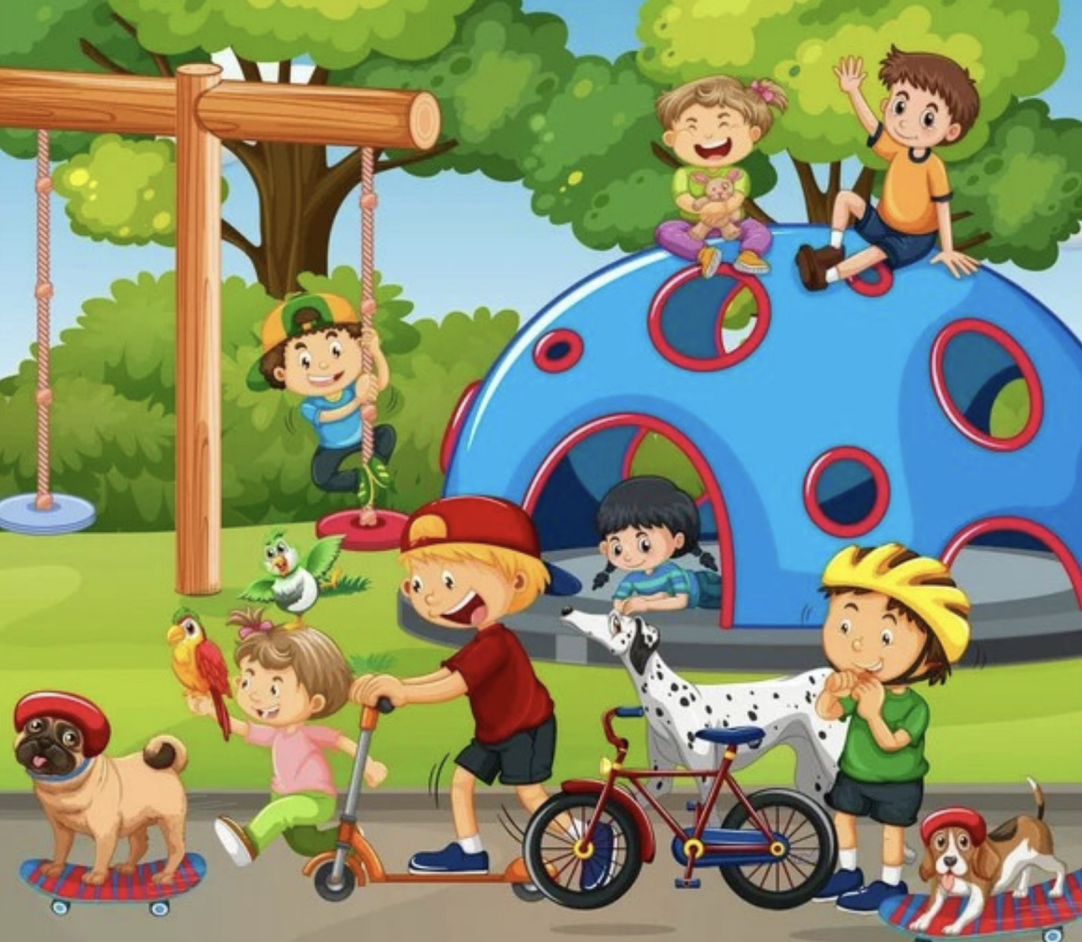
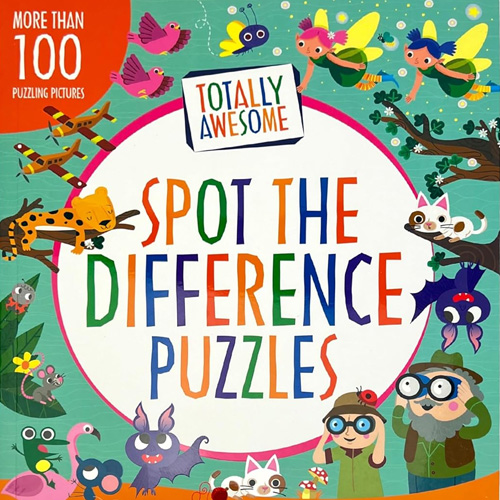
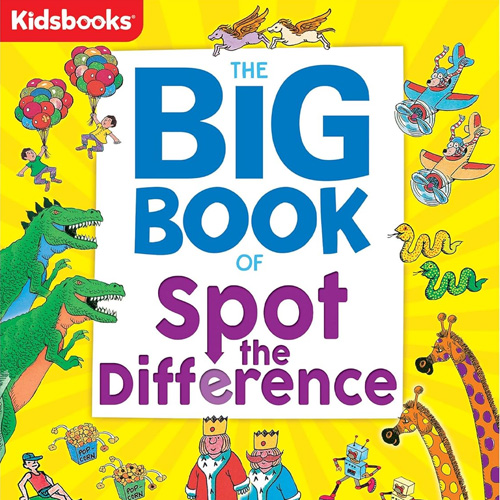
Use “spot the difference” worksheets (see examples below)—preferably ones where the images or letters are side by side.
→ Parents: If your child continues to struggle, make sure they’ve had a recent vision exam. Sometimes the difficulty isn’t with learning at all, but with how clearly they can see.
- Memory
Memory is one of the hardest skills to build, but it’s absolutely essential for learning. There are two main types:
- Auditory Memory – remembering what you hear.
- Visual Memory – remembering what you see.

Here are some simple ways to start strengthening memory at home:
Activity 1: Visualization Game
Describe an object without showing it.
Example: “It has 4 legs and you sit on it.”
Child responds: “A chair!”
Activity 2: Auditory Memory Check
Ask your child to find a specific letter (e.g., “Show me the ב”).
- If they identify it right away but forget its name, the challenge is with auditory memory.
- If they can’t find it at all, the issue may be visual—or a difficulty connecting visual + auditory (the symbol and its name).
→ Parents: If your child continues to struggle with memory—even after practicing—don’t ignore it. Memory is one of the most important foundations for success across all grades. This is an area worth seeking extra support for.
When Practice Isn’t Enough
Even after practicing these strategies, some children will still struggle. That’s okay—it doesn’t mean they aren’t capable. More often, it points to underlying visual or auditory processing skills that make it harder to fully take in what they see or hear.
The good news?
With the right help, these challenges can be overcome. A trained professional can identify which processing skills are weak and give targeted strategies to strengthen them. Once those foundations are built, kids no longer depend on endless tutoring—they gain the tools to succeed on their own.








|