Sneaky Skill-building Games for Summer

Summer fun doesn’t mean the skills need to stall. Build important skills that will last all year long through these fun games.

Vacation is around the corner, calling on all of us to catch our breath, refresh, and refuel for the year ahead. School’s over but learning is not. Instead of having our kids feel forced to learn trapped at their desks, here is a list of skill-building games worth packing along. 

This fits my passion of making learning fun, best captured with this motto:

“Learning is child’s play.”

Learning to play as you play to learn is a fun, great option for rainy days, or for Mommy and Me time. 

First, three quick pointers.

1. Briefly read the instructions and look through the game board, playing pieces and cards before you sit down with your child.

Knowing the basics, you’ll have the answers to basic questions and be able to lead the set-up, allowing your child to ‘figure it out’ and ‘set things up’ as you lead the way, building planning and organization abilities.

2. Skills are built over time.

Focus on the process and the fun, learning experience, not the outcome or results.

3. Stick with one or two games at a time,

until your child is past learning the game. This is evident when the rules are learned, the instructions don’t need to be checked during game play and questions are replaced with laughter.

These are some unique games with creative twists. Select which one describes a missing skill, or one that needs practice. Build the skill through play and fun!

This list is not exhaustive. I simply couldn’t go through my entire closet. Any skill you’d love to work on but don’t know which game to get? Or do you have a favorite game to share? Ask or share in comments below.
More Sneaky Ways to Give Your Kids a Bit More Knowledge

and The Aleph Bais Practice Game

Memory Building:

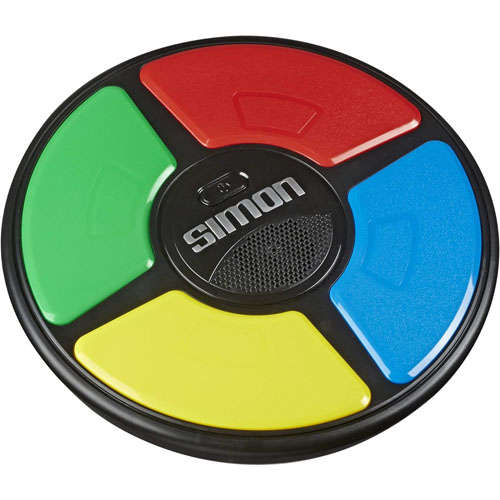
Electronic Memory Game

Memory building skills are great to develop before memory demands are high, such as when children reach the age where they need to remember all facts before a test.Can be done daily for 3-5 minutes, keeping track as the score increases. Aim for a sequence of 12-15 for a 9 year old and 15-18 for middle schoolers and up.

Memory Building:

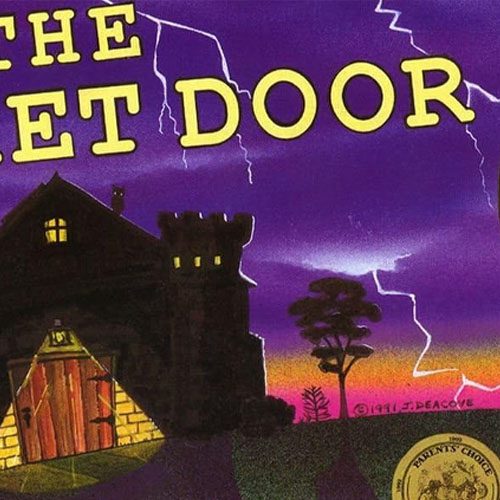
The Secret Door by Family Pastimes

A cooperative mystery game that focuses on recalling placement of the king’s treasures to avoid them being stolen while time is ticking. A lot of fun, strategy and memory skills are developed as the whole team plays together to beat the board’s robber. Ages 5-8.

Memory Building:

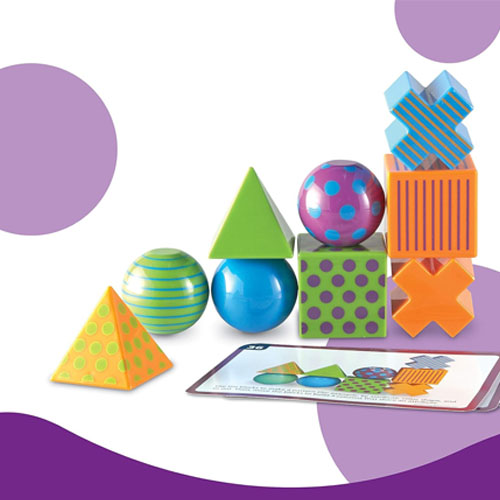
Mental Blox

These fun games work on memory, joint attention, and decision-making. Other visual memory board games include Mental Blox, Lite Brite, Sequence, Qwirkle, Blokus, Qwixx, and Scattergories.

Processing Speed:

Blink

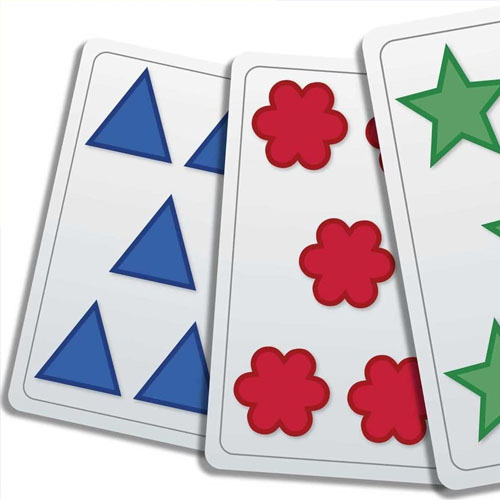
Games that work on processing speed can help those that finish work last, these games work on speed skills. Blink is known as the world’s fastest game.Two players race head-to-head to be the first to play all of their cards by matching the shape, count or color on the cards. This action fast card game is perfect for younger kids and teens!

Processing Speed:

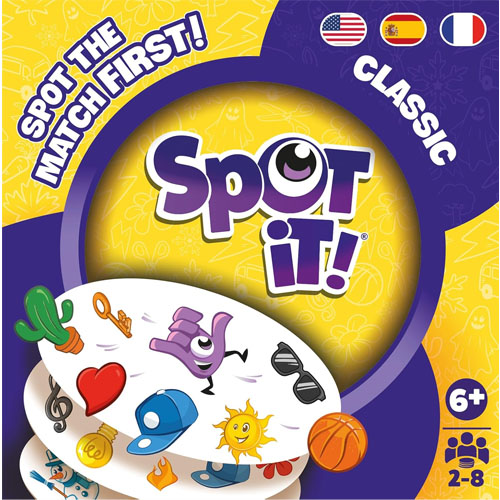
Spot It!

Requires players to process the visual information on the cards, find a match and call it out as quickly as possible. Over time, players get faster at spotting those matching pictures and boost some healthy competition!

Processing Speed:

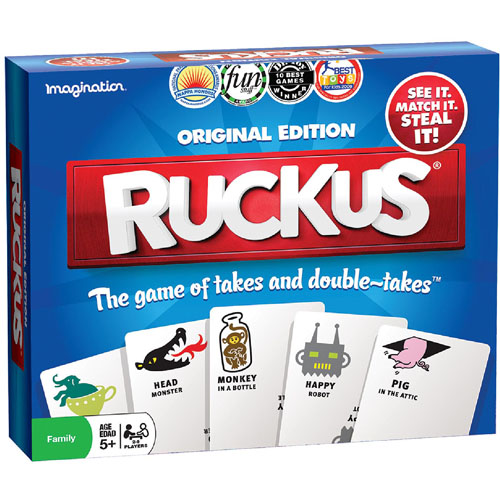
Ruckus

This fast-paced game of takes and double takes has players compete to pick matching cards in order to form a set and aim to hold on to them while every player is stealing cards as fast as they can!

Processing Speed:

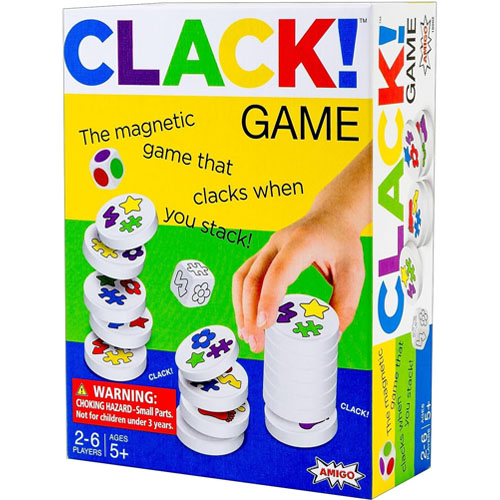
Clack

The competitive, fast-paced magnetic game that clacks when you stack based on the dice and the pieces. Who can clack the tallest stack to match the dice in each round? For younger kids, this is available in two versions.

Processing Speed:

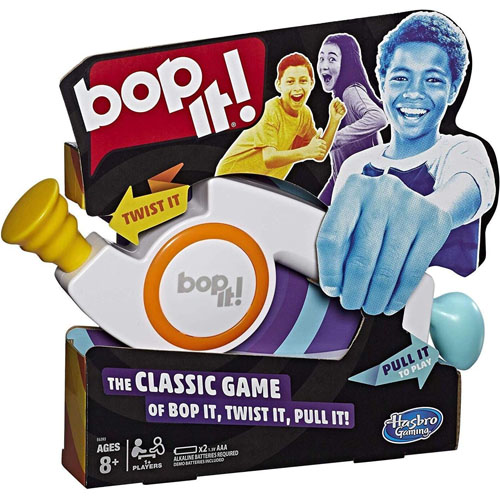
Bop It

The electronic game works on processing speed and shifting by having players anticipate and do any of 3-5 activities at random in increasing speed. Scores are kept so tracking progress is motivating.

Visual Perception:

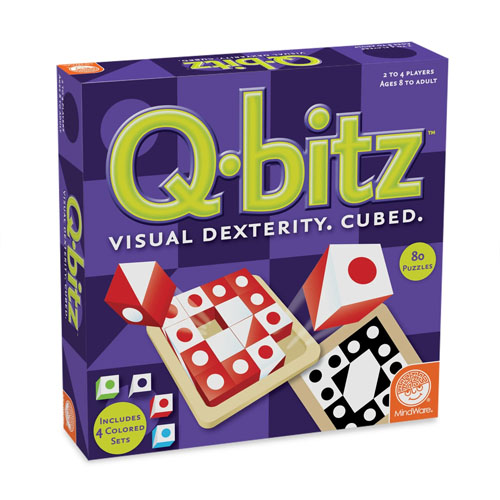
Q-bitz

Q-bitz stimulates the brain to use spatial reasoning and visual memory, while working on dexterity and speed too. Players each get their own Q-bitz board with 16 cubes, and race to be first to replicate the pattern to win the card. Available in a Q-bitz Jr version for 5+, Q-bitz for 8+, and Q-bitz Extreme for those that love a spatial challenge. We have spent many hours together laughing, competing and building skill with this one.

Visual Perception:

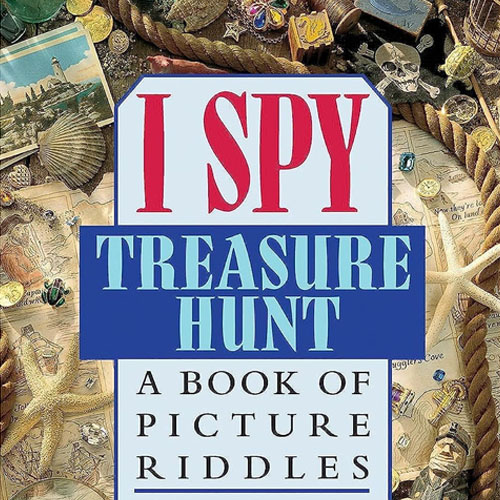
I-Spy Books and Where’s Waldo

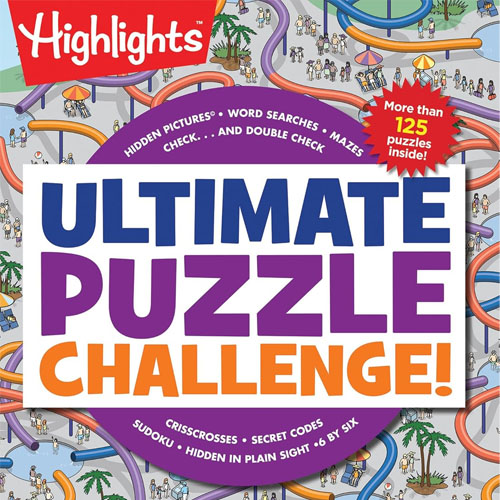
These are excellent options to develop the ability to locate objects within a busy scene, for learning to scan and search, as well as to build figure-ground abilities. Figure-ground difficulties include a challenge to separate an object or form from its surrounding background, which can lead to difficulties in various visual tasks like reading and writing. Find Where’s Waldo here.

Visual Perception:

Word Search Activity Books

Word search books, crossword puzzles, jigsaw puzzles, and tangram puzzles all build visual perception skills.

For Teaching How to Ask Smart Questions:

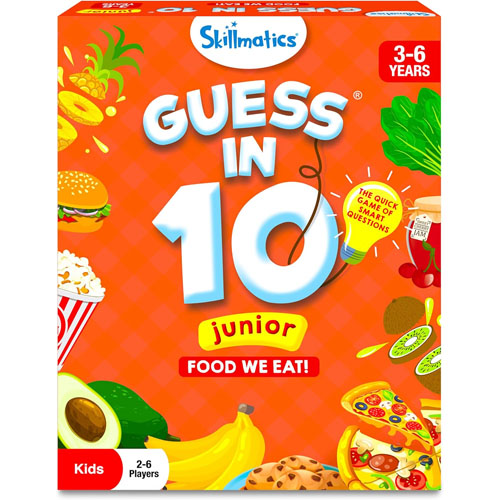
Guess In 10 by Skillmatics

The Junior version, for ages 3-6 years, teaches how to ask smart questions with unique question-prompting tiles and can be found at Amazing Savings and on Amazon. I start at this level even with my older kids, then move on to the 6+ version so there is a solid foundation in place.

Language Processing & Problem-Solving Skills:

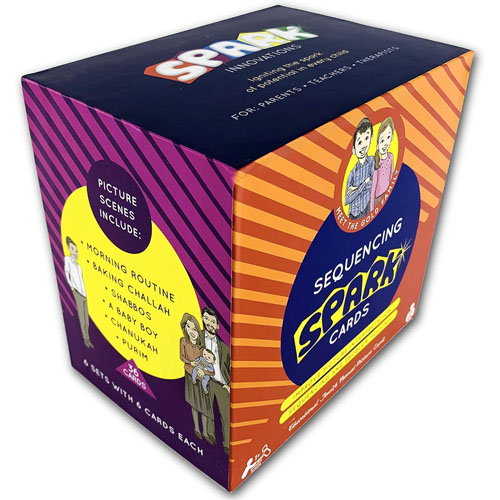
Spark Cards

To improve picture reading skills, getting the main idea and important details, problem solving and language processing skills, use Kinder Shrift’s book in Yiddish titled Kliger, or Spark Cards, which are Jewish-themed story sequences that also work on problem solving and language, developed by a frum language therapist with beautifully drawn cards.

Emotional Intelligence, Perspective-Taking and Cause/Effect Understanding:

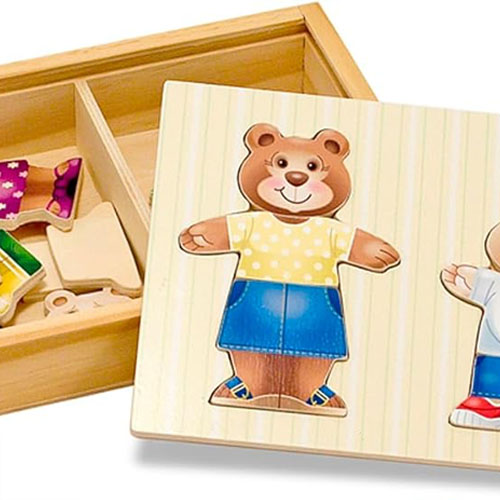
Mix and Match Wooden Bear Family

The Mix and Match Wooden Bear Family by Melissa and Doug, is great for role-playing, building understanding of social interactions and emotional intelligence. It includes a baby bear, a mother bear, and a father bear, so many social scenes can be played out, using the different facial expressions, matching the outfits based on the situation. If the bear doesn’t listen, the mother gets upset, the bear gets yelled at, then he starts to cry, and so on, developing cause-effect understanding. Scenarios can be played out, thought processes explained and improved social endings created with this simple toy. I have two sets so that two kids can create, imagine and play together, matching outfits and coming up with stories that are relevant to their lives.

Paying Attention to Detail & Organization:

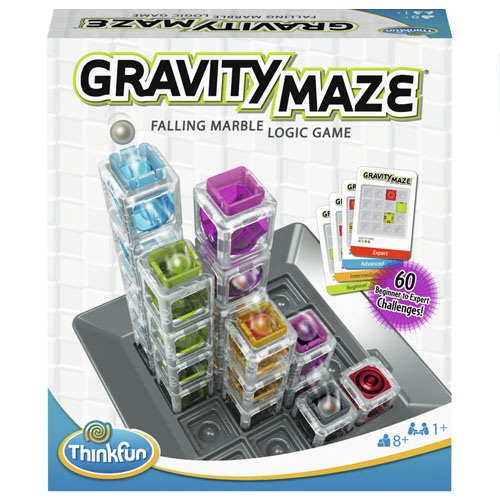
ThinkFun’s Gravity Maze

Games that require paying attention to detail and planning will work on impulsivity when playing the game and focusing on the process and the learning experience, not the outcome or results.

Paying Attention to Detail & Organization:

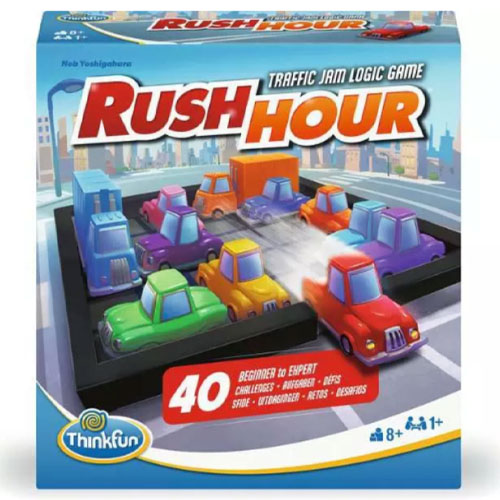
Rush Hour

Rush Hour is also a great option in this category. Focus on how the game is being followed, the planning and organization of the board and the pieces as well as the ability to hold the details and create a plan without assistance. There should be a shift from doing without thinking (guessing) to doing with self-corrections as the plan created needs tweaking to doing the card strategically.

Paying Attention to Detail & Organization:

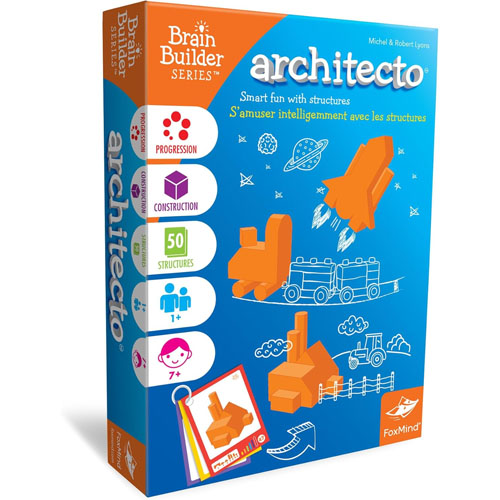
Foxmind’s Architecto

Another option in this category.

Paying Attention to Detail & Organization:

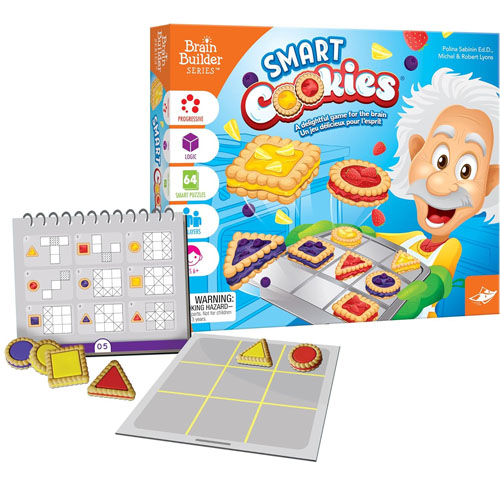
Smart Cookie

Another great educational game from Foxmind.

Paying Attention to Detail & Organization:

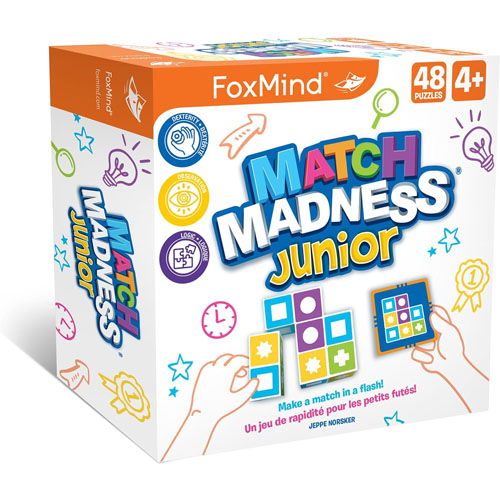
Match Madness Junior

These games are easy to play, fun to follow and should be done without checking the answers in the back. Spend time over it, helping your child learn how to plan mentally, try different moves and problem solve.

Paying Attention to Detail & Organization:

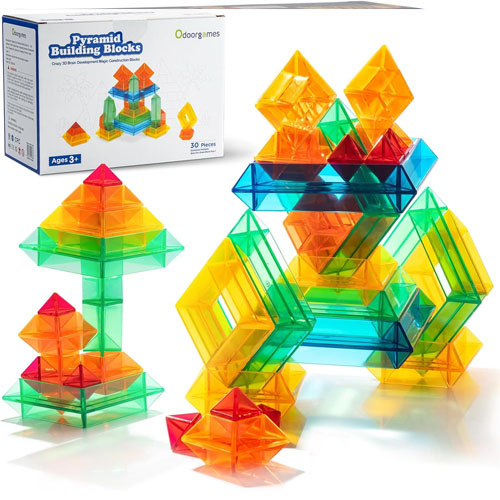
Wedgits

These are also excellent, and include the added thrill of building creations using patterns and symmetry, including cards to copy and challenge or a chance to build your own creations.

Storytelling, Creativity & Imagination:

Tall Tales

This is a unique game that includes story background cards and over 5o creative, rubber items. Storytellers randomly pick seven items out of the bag, select a story scene and need to use all items while they’re spinning the story. Leads to a lot of laughs and a lot of imagination as creativity is needed to make the storyline stick.

Money Skills:

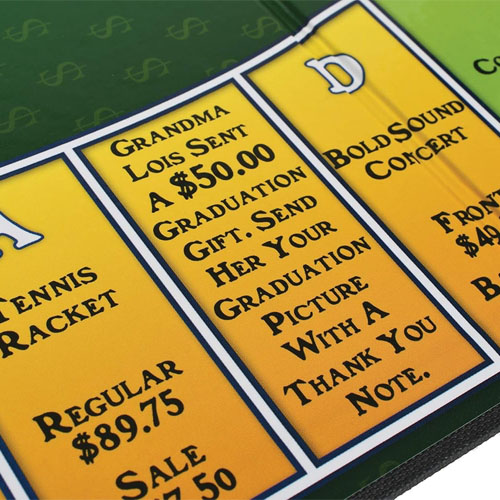
Allowance

This is an old-fashioned board game great for students that need practice with money skills including change. This is the ideal game before kids can play Monopoly and our version is tattered and beloved for 8+, played with many neighbors and siblings.

Rachel Gluck

Mrs. Rachel Gluck is a mother and a veteran educator with over two decades of experience. She is passionate about helping struggling students become lifelong, independent learners. Rachel created the SMARTIE Buddy program by combining the latest research with years of experience working with and supervising struggling students. She is on a heartfelt mission to revolutionize education for today’s struggling students by making neuroscience practical. Switch school stress to study success! Join the SMARTIE Buddy newsletter for more tips and strategies, or find a SMARTIE Buddy Coach to work with your child.

8 responses to “Sneaky Skill-building Games for Summer”

  1. NH Avatar
    NH

    I find that whatever they do with Mommy is exciting so even giving them multiplication problems with chalk is fun or kriah using a microphone they made…

  2. Chana Avatar
    Chana

    Thanks for the inspiration, ordered two things for my toddler to play with me through those long shabbas afternoons. Let’s see if it’ll do the trick. And can I get the link for the clack toddler version?

    1. Chavy Herzog Avatar
      Chavy Herzog

      There is no Clack toddler version. Yet, Clack on its own is fun when the toddler simply clacks and stacks all magnetic discs. Slowly point out the differences and use one feature only, such as red discs, and your toddler will play to learn and have fun too!
      Here is to wishing easier and enjoyable Shabbos afternoons!

  3. Elisheva Shomer Avatar
    Elisheva Shomer

    My experience with where’s Waldo is that it isn’t always so appropriate. would recommend parents preview before giving to kids.

  4. Rachel Gluck Avatar
    Rachel Gluck

    True. Some editions are basically clean, most need censoring; the older versions were better. Cheaper imitations worked well too. Thanks for raising such an important point.

  5. Anonymous Avatar
    Anonymous

    There’s Vhere’s Velvel by Bracha Goetz.

  6. Rifka Avatar
    Rifka

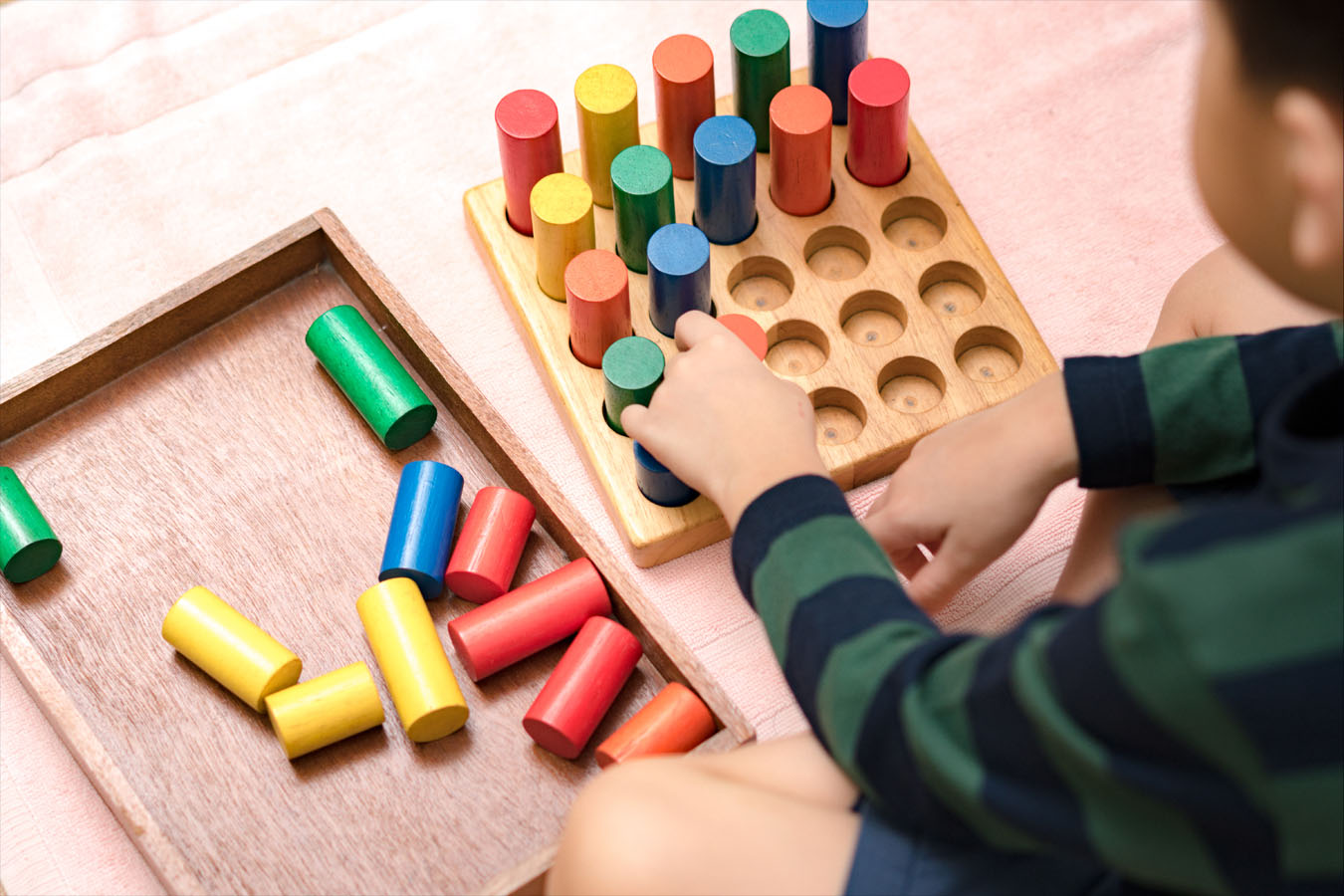
    What toy is illustrated in the picture? Looks interesting

  7. slicemasternet Avatar
    slicemasternet

    Even during summer break, kids can still learn through simple and fun games. Reflex-based games like Slice Master help improve focus, observation, and quick decision-making. You can try the free version here: Slice Master so they can play and develop skills naturally.

Leave a Reply

Your email address will not be published. Required fields are marked *

This site uses Akismet to reduce spam. Learn how your comment data is processed.

Contact Us

This field is for validation purposes and should be left unchanged.

FREE GIFT!

Close the CTA

Get our BCP Lifepages Planner by signing up to our email list!