
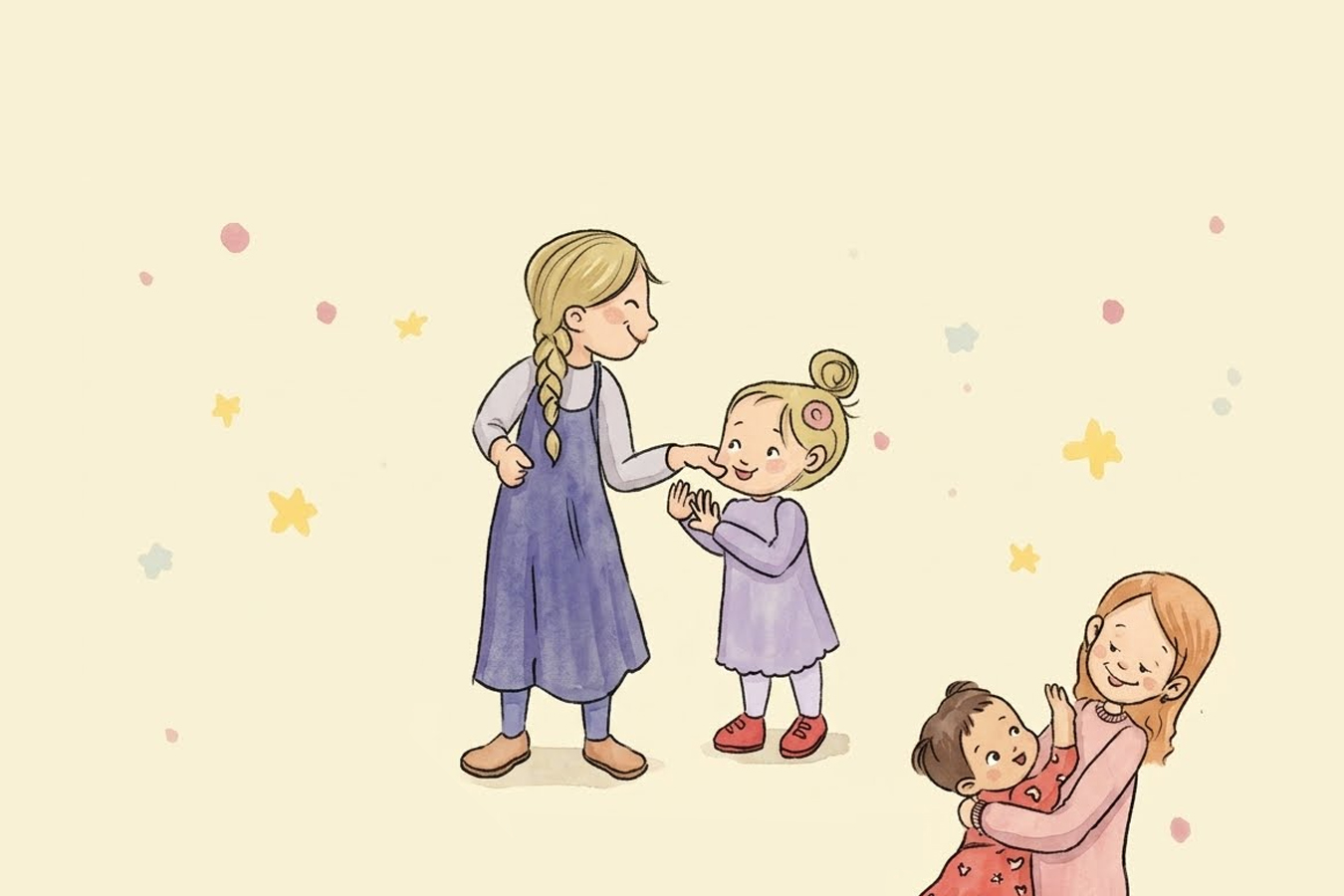
The best way to bring up the subject of personal privacy and safety with our children is naturally, in the context of our everyday lives.
For many years, the idea of teaching young children in our community about personal safety felt uncomfortable. Parents wanted to preserve their children’s innocence, maintain tznius, and shield them from concepts they seemed too young to understand.
Over time, however, with guidance from rabbanim, educators, and mental health professionals, many families came to recognize that teaching personal safety does not conflict with our values. When done with sensitivity, it reinforces them.
These conversations are about helping children understand that their bodies are precious, certain boundaries exist, and they can always speak up if something feels wrong.
Perhaps the biggest shift has been realizing that these conversations don’t need to be formal or heavy. They happen best as part of everyday life – while getting dressed, preparing for a doctor visit, discussing bathing suit rules, or reviewing other everyday safety habits.
Professionals who work with families have found that when these messages are woven naturally into daily life, children absorb them as a healthy and normal part of understanding themselves. Rather than taking away innocence, these conversations quietly strengthen a child’s sense of security.
Another important approach is teaching in small, age-appropriate steps. A young toddler can simply learn that certain parts of the body are private. Parents might say, “The parts of your body covered by your swimsuit are private,” or “Only Mommy or Daddy helps you with bathing or getting dressed.” Preschoolers can begin to understand that if something makes them uncomfortable, they can say “no” and tell a trusted adult. Parents can explain, “If anyone asks to see or touch your private parts, you can say, ‘No,’ leave if you can, and tell Mommy or Daddy right away.” As children mature, parents can gradually build on these simple concepts without overwhelming them.
B’H, parents today have access to resources developed specifically for Torah-observant families – materials that support our values while giving children the tools they need. Since these resources reflect our language and hashkafah, they respectfully open the door for parents and children to begin conversations on these topics together.
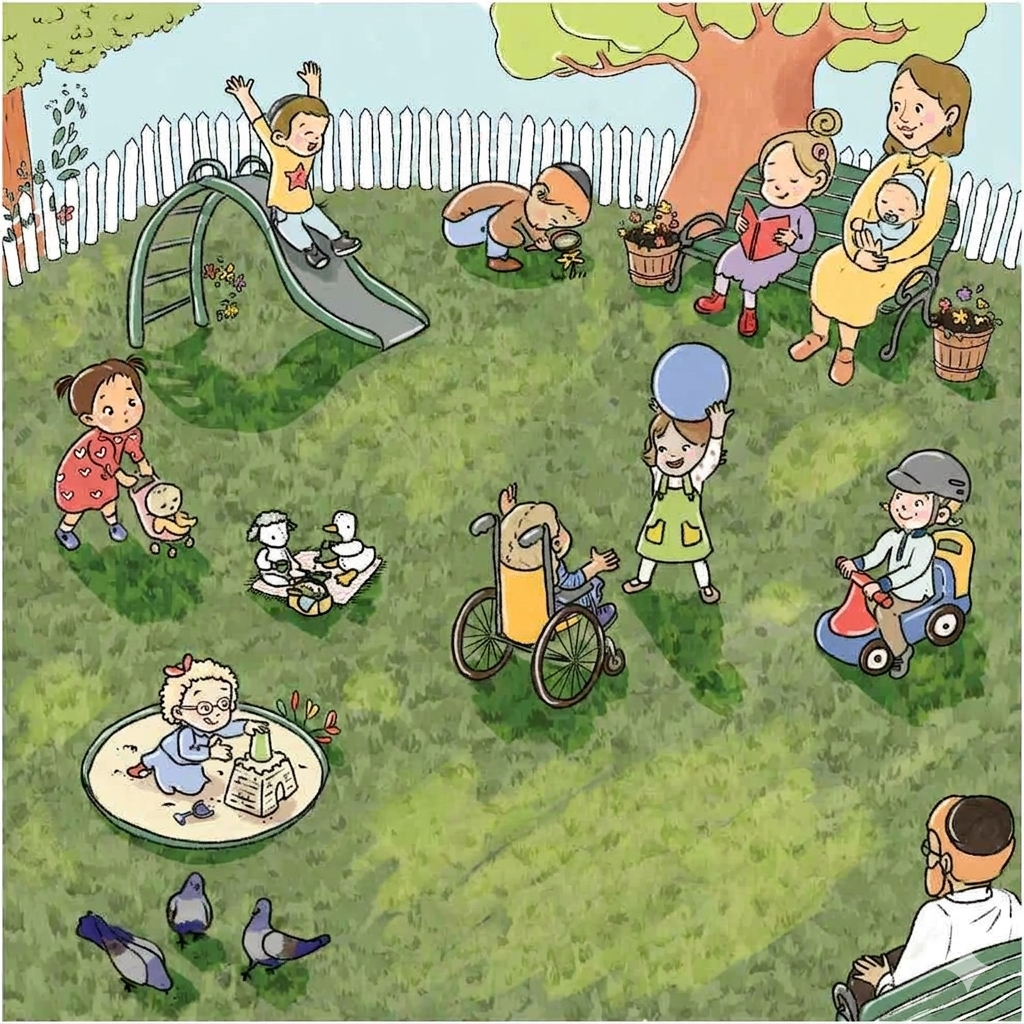
By teaching our children that their bodies are a gift from Hashem, worthy of respect and care, we help them develop healthy boundaries, confidence in their own voice, and the knowledge that they can always come to us.
Simple ways to make these conversations feel natural:
- Mention body privacy during everyday routines like dressing or bath time. For example: “Your body is special, and we keep our private parts covered except when Mommy or Daddy is helping you or when the doctor examines you with me there.”
- Review personal safety before doctor visits, just as you review other expectations.
- Revisit the conversation briefly at least once a year, adding only what is appropriate for your child’s age. The summer is an especially helpful time.
- Leave their safety books on the couch every so often for them to review on their own too.
- Remind children that they can always tell a trusted adult if something doesn’t feel right. You can say things like, “You won’t get in trouble for telling me something that makes you feel uncomfortable,” and, “I want to listen and help you.”
When these conversations become a natural part of family life, they preserve the very innocence we hope to protect while giving our children the confidence and safety every child deserves.











|