

Whether you’re nervous or already planning to start, here’s what to know about Accutane, from what to expect to the best ways to handle dry lips and skin.
This article shares personal experiences, not medical advice. Always follow your dermatologist’s instructions.
Accutane, Accutane, Accutane. It’s probably one of the most talked-about medications among teenage girls, and also one of the most misunderstood.
So what exactly is Accutane? It’s a prescription medication called isotretinoin that’s used to treat severe acne, especially when other treatments haven’t worked. It works by reducing oil production in your skin, which helps clear up acne.
Accutane is basically the last resort for bad acne. I tried everything before getting to that point: regular and prescription creams, cutting out dairy and chocolate (which worked for 12 glorious weeks, and then my acne came right back!), and regular medication like doxycycline, an antibiotic used to treat acne. I always say I have the most expensive face in my house.
Honestly, if I hadn’t been so scared to take Accutane, I probably would have saved myself a lot of time, stress, and money. And people are scared because they don’t know what to expect.
So here’s the 411 from the teens I polled.
What to Know Before Starting Accutane
1. If you’re younger than 10th or 11th grade, it may not work to its fullest.
This might not be a medical fact, but in our experience, acne is more likely to come back if you take Accutane when you’re younger. Ask your dermatologist whether now is the right time.
2. Don’t expect to get Accutane at your first appointment.
I had to go through creams and medication first, plus testing, before I actually started.
3. Don’t let the side effects list scare you off.
They’ll give you a long list of possible side effects, and some of them sound really scary. In our experience, most people mainly deal with dryness, and the serious side effects are much less common. But they’re on the list for a reason, so take them seriously. Tell your doctor and your parents right away if you notice changes in your mood, bad headaches, blurry vision, or stomach pain. That’s what the monthly checkups are for, so be honest at every appointment.
4. It’s best to do Accutane in the winter.
Your skin and scalp are very sensitive to the sun, so you need to be extra careful about sun exposure.
5. The biggest effect of Accutane is dryness.
Your skin and lips can get really dry. It’s not just a possible side effect. For many people, it’s the main effect you notice.
6. Get a pill case.
Trust me, it’s hard to remember if you took your pill or not. I filled up my case at the beginning of the week and knew exactly where I was up to.
How to Deal With Accutane Dryness
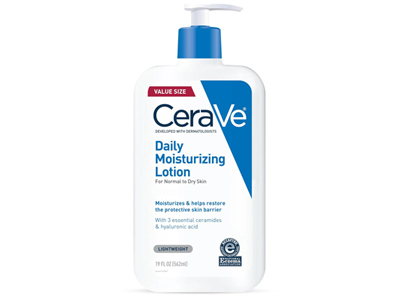
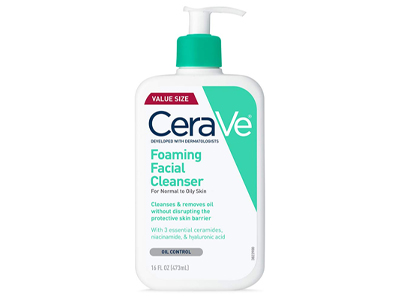
1. Moisturizer / Face Wash
Keep it simple. Use a basic moisturizer like CeraVe or Neutrogena.
2. Lip Care
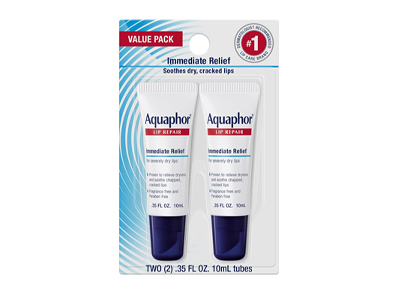
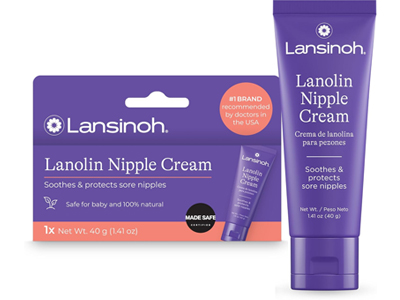
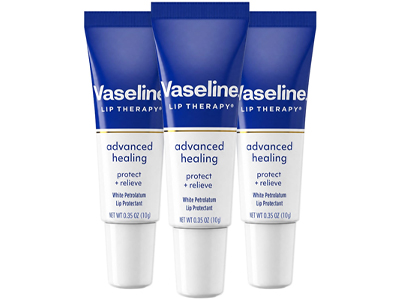
The biggest problem is dry lips on Accutane. While you can simply use Aquaphor or Vaseline, really, the best lip care on Accutane is nipple cream like this one (we first shared this dry lips hack in this post). Lansinoh’s lip balm will also work, but it’s a drop runnier so doesn’t stay put as well. It’s a good option if you don’t want to have to repackage your cream! Whatever you use, buy a lot and keep one wherever you go. Near your bed, in the car, in the kitchen, in your backpack… trust me, you’ll want it everywhere.
Ask your LOR what to do on Shabbos about your lips. Sometimes olive oil is an option, but ask what is permissible.
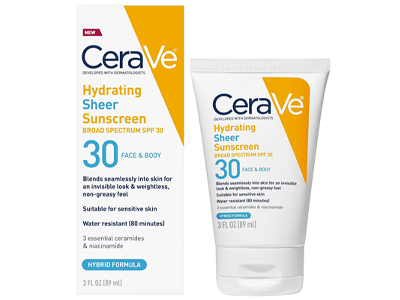
3. Sunscreen
You MUST wear sunscreen. Your skin is more sensitive while you’re on Accutane, so you can get burned easily, even in the winter.
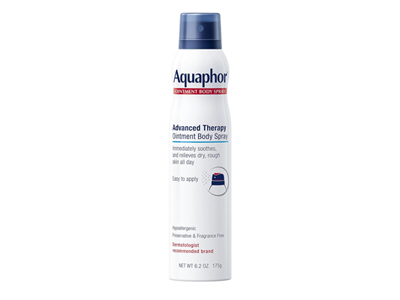
4. Body
Everybody gets different types of dryness, but if your skin starts feeling tight, try an Aquaphor spray.
5. Hands
Your hands are very likely to get painfully dry, too. Use a moisturizer or hand cream regularly. Wearing white cotton gloves when you sleep can also help.
______
Accutane FAQs
How long does Accutane dryness last?
Dryness usually starts within the first couple of weeks, often with your lips, and lasts for the whole course of treatment, which is usually around four to six months. The good news is that it goes away. Most people find their skin and lips are back to normal within a few weeks of finishing.
Does acne get worse before it gets better on Accutane?
It can. Some people have a flare-up during the first month or so before their skin starts clearing, but not everyone does. If your breakouts get really bad or painful, let your dermatologist know.
Can you wear makeup on Accutane?
Yes. Since your skin will be drier than usual, start with a good moisturizer and choose hydrating makeup, like a dewy foundation or tinted moisturizer, instead of anything too matte or powdery. Remove it gently at night and skip harsh scrubs.
Can you wax or get facials on Accutane?
No. Your skin is much more fragile on Accutane, so waxing, laser hair removal, and strong facial treatments can damage it or cause scarring. Dermatologists usually say to avoid them during treatment and for about six months after. Ask your dermatologist when it’s safe to start again.
Have you tried Accutane? What was your experience? Please share additional information in the comments!
A Note About Accutane: This article shares personal experiences and tips from teens who have taken Accutane. Everyone’s experience is different, and what worked for one person may not work for you. Accutane is a prescription medication that can have side effects, so always follow your dermatologist’s instructions and speak to them about any concerns or questions. This article is for informational purposes only and is not a substitute for medical advice.







|