
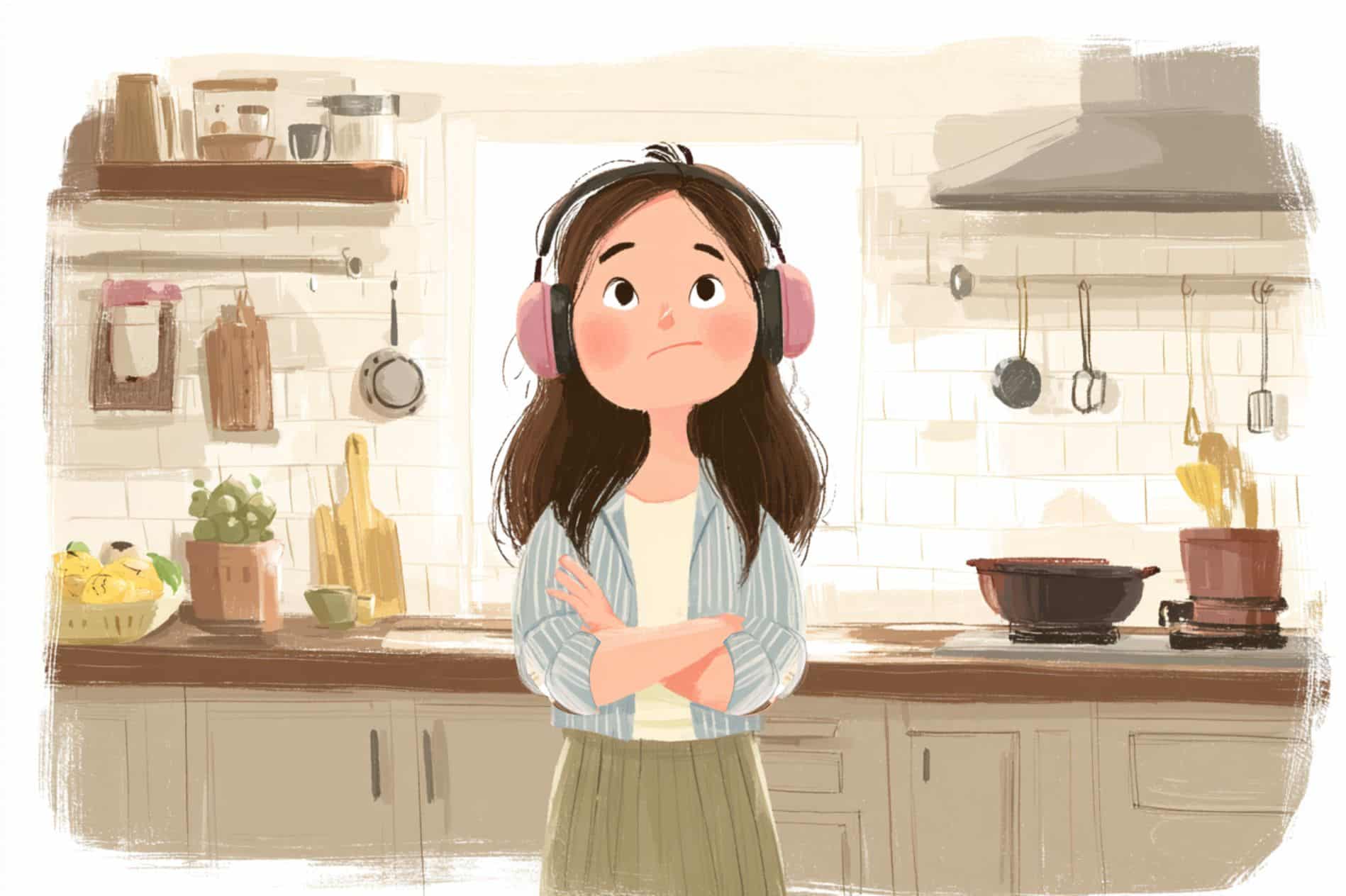
If technology is getting in the way of you connecting with your children and keeping them from listening to your instructions, there’s a better way to get through.
If you are parenting a teen, you have probably had the moment where a simple request turns into a pattern. You ask. They do not move. You ask again. They sigh, ignore, or snap back. And suddenly you are repeating yourself in a tone you do not even like.
This is more common than most parents admit. The teen years are a stage where independence matters deeply, and everyday requests can feel like pressure even when they are reasonable. Add stress, phones, busy schedules, and a developing brain that is still learning transitions, and you get a perfect recipe for conflict.
The good news is you do not have to become harsh to get better cooperation. One small shift can change the tone of your home while keeping you in leadership.
The Shift: Connection before Direction
Many parents try to get listening by adding intensity. Louder voice. Longer explanation. Bigger consequences.
Teens often respond better to something else: a brief moment of connection before the instruction. Connection does not mean you agree. It does not mean you negotiate. It simply means you lead with respect so your request lands as guidance, not control.
Think of it as building a bridge before you ask them to cross.
Why Teens Tune Out
When a teen is absorbed in a game, texting friends, or decompressing after school, they are not always ready to switch gears on demand. If the request comes from another room, or arrives with a frustrated tone, it is easy for them to dismiss it as background noise or criticism.
A connected approach helps because it answers the unspoken teen question: “Are we on the same team right now?”
The 20 Second Routine That Works
Try this sequence the next time you feel yourself gearing up to repeat.
- Close the distance
Whenever possible, walk to your teen instead of calling from the kitchen. Being in the same space increases cooperation and reduces miscommunication.
- Make a quick connection
Use one sentence that shows respect and awareness. For example:
“I can see you are in the middle of something.”
“Hey, quick check in.”
“I am not here to fight. I just need a plan.”
- Give one clear direction
Keep it short. One sentence. No lecture.
“Dinner in five. Please come down.”
“Trash out before you leave.”
“Phones go on the charger at ten.”
- Pause
Silence is powerful. Many teens need a moment to shift gears without feeling pushed.
Common Traps That Keep Parents Stuck

If you feel like your teen never listens, check whether one of these patterns has quietly taken over.
- Repeating
Repeating trains your teen to wait until you ask a few times. Over time, the first request starts to sound optional.
Try instead: Say it once. Then move closer, repeat calmly one more time, and follow through.
- Yelling from across the house
This sets you up for frustration and sets them up to ignore. It also removes the relational piece that helps teens cooperate.
Try instead: Deliver important requests in person whenever you can, especially around phones, mornings, and leaving the house.
- Too many words
When you are stressed, it is natural to explain and justify. Teens often hear long explanations as criticism or an invitation to debate.
Try instead: One clear sentence. Save teaching for later, when everyone is calm.
Follow Through Without Being Harsh
Gentle does not mean passive. If your teen does not respond, the goal is calm follow-through, not escalation.
Use a brief line that communicates leadership:
“I need this done by 10.”
“If it is not done, this is what happens next.”
Examples:
“Phones go on the charger at ten. If it is not there, it charges in my room tonight.”
“Dinner in five. If you are not down, Wi-Fi pauses until dinner is done.”
“Trash out before you leave. If it is not done, keys stay here until it is.”
The key is to keep your tone steady and your words few. You are not trying to win an argument. You are holding a boundary.
Scripts for the hardest moments
- Phones:
“I know it is hard to stop. Phones go on the charger at ten.”
“Do you want a two-minute warning or a five-minute warning tomorrow?”
- Homework:
“I am not here to micromanage you. What is your plan for tonight?”
“I can help you start for five minutes, then I am stepping back.”
- Mornings:
“I know mornings are rough. I need you up at 6:45.”
“Do you want music on, or an alarm across the room?”
The bottom line
If you want your teen to listen the first time, the goal is not to get stricter or louder. It is to be clearer and more connected.
Close the distance. Make a quick connection. Give one direction. Pause. Follow through calmly.
Over time, your teen learns something important. Your words matter the first time because you say them with respect and consistency, not volume.















|