

Plus, how to take care of your baby after the bris.
Some mothers who have been blessed with boy after boy might be seasoned veterans when it comes to taking care of their baby both before and after the bris. Most, though, need some reminders or guidance–especially when it’s a first baby boy (mom doesn’t always remember!). Some mohels are extremely attentive and provide a lot of detailed information that you need to know, for both before and after the bris. But that’s not always the case and a new mom usually has questions!
This guide focuses on getting the baby ready and taking care of the baby afterwards, and other aspects of the bris itself. It does not cover the seudah mitzvah afterwards, as this will be different in different communities/circumstances. While brises tend to be relatively simpler simchas as they are over quickly as people rush to continue their day afterwards, some might make a more elaborate seudah mitzvah on certain occasions (i.e. first baby / first boy after many girls / first baby after a long wait).

Getting the Baby Ready
–The best day for the baby to be checked by the mohel to see if they will be ready for the bris is the 4th day after birth, not before. The most common reason that a bris may be delayed is if a baby is jaundice/yellow (high bilirubin).
A Shabbos bris
If the baby was born on Shabbos, there will be a Shabbos bris unless it was a C-section, then it would be postponed until Sunday. Also, if a baby was born “bein hashemashos/t” (the time on Friday night when it’s not certain whether it’s day or night), the bris would also be postponed until Sunday. Ask your Rav if any unique circumstances arise.

The Shalom Zachor / Zohar
Ashkenazim hold a Shalom Zachor after the seudah on the first Friday night after a baby boy is born. People come over and say “Mazel tov,” bringing more bracha to the baby. A “Vacht Nacht” the night before the bris. Sephardic Jews instead have a “Zohar” on the night before the bris, where portions of Kabbalah related to brit milah are read (a minyan is needed). Usually, men are only in attendance and light refreshments such as cake and fruit are served on these nights. Minhagim will differ in different communities.
“Inviting” to the Bris
It is customary to let people about the bris rather than “invite” them. Any invitations/messages should be worded so that “The bris will take place…” rather than “We would like to invite you…”
Bring to the bris:
*Becher with low alcohol sweet wine (Some use dry red wine al pi Kabbalah)
*5 diapers
*Wipes
*Pacifiers with a clip (it will fall)
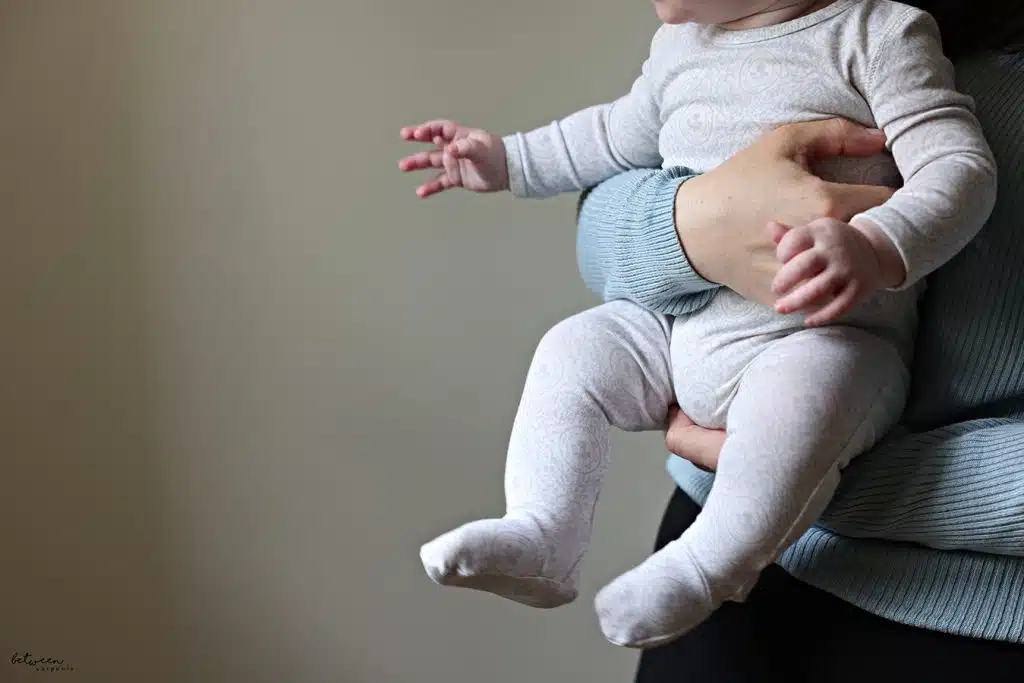
*To dress the baby, a 2-piece outfit such as this one is best so the pants can be easily removed.
*Bris pillow/ Poyah/Pooyah (pillow with a pocket). This is usually available from a bris Gemach, or often a grandmother has one to use for all her grandchildren. They are also available at your local Jewish linens store or here.

Giving Out the Kibuddim
The main kibbud at a bris is the sandek. There is also the kvatter and the one who says the brachos and baby name. If you would like to honor additional people, here is a complete list of additional kibbudim which you could possibly include, in chronological order of their role.
Kvatter – This is the person who takes the baby from the mother and brings the baby to the bris. This honor is usually given to a couple, the wife takes the baby from the mother and gives him to her husband, who will put the baby on the Kiseh Shel Eliyahu.
Kiseh Shel Eliyahu – Person who puts the baby onto the Kiseh. (The Kvatter can also put the baby there, as noted above).
Min HaKiseh – This person takes the baby from the Kiseh Shel Eliyahu and gives the baby to the father. Then the father will give the baby to the sandek. This can be the same person as the ones above.
The Sandek. This is the one who holds the baby during the bris. It is the highest honor available. One who is sandek has the ability to give blessings that day. People who are commonly honored as Sandek are a Rav/Rebbe or the grandfathers of the baby. There are different customs as far as who should be honored and in what order. Ask your Rav if you are unsure.
Min HaSandek – This picks the baby up from the Sandek and gives the baby to the one who will hold him during the brachos/krias shem.
Brachos & Krias Shem – The person who is saying the brachos and the baby’s name. This can be the same person or be divided and said by two different people. This is usually done by the local Rav.
Amidah L’Brachos & Amidah L’Krias Shem – The person who is holding the baby during the Brachos and Krias Shem. It is also called Sandek Meumad, or Standing Sandek. This is also an important honor.
Before the Bris
–Feed the baby up to ½ hour before the bris so he should be well-fed and burped.
–Bring the baby to the bris location at least 15 minutes before the bris.
–There’s no need to give Tylenol before the bris. It will dehydrate them and they do not actually feel pain at the bris.
Caring for Baby After the Bris
–Don’t give a bath within 24 hours, but after that, a warm bath will be soothing.
–To care for your baby’s wound, you’ll need gauze pads (about 3 x 3) and ointment/Neosporin/Mupirocin (a prescription topical antibiotic cream). Smear ointment generously on gauze pad and place it over the wound as a “cap,” without pressing too much or touching the bris area. (Important! Always follow your mohel’s instructions, as he might use a different method to care for the wound, such as a bandage. This is especially the case if the baby will be traveling in the car for a while after the bris and won’t be local to receive immediate care if needed).
–If your baby has been bandaged, check to see if his diaper gets full later in the day, and if he’s happy and comfortable. The mohel will ask if this is the case to ensure the bandage was not too tight.
–If your baby is not bandaged: The gauze pad should be changed every time you change your baby’s diaper. Squeeze the ointment all over, but don’t touch the bris area. Then, just position the gauze over the bris area and close up the diaper.
–To give your baby extra TLC, keep the gauze pads in the freezer. The cold feels good on the wound.
–Any colors or swelling is normal. Fevers or rash, though, is not normal and should be looked out for. Some rashes that are common include Staph infections (such as under belly button, on top of where pamper is closed), which are easily treated with Muriprocin 2-3 times a day.











|