The Holy Work of the Sandwich Generation

Caring for aging parents while raising your own children can feel heavy, but standing in the middle of the sandwich generation is also a sacred place to be.

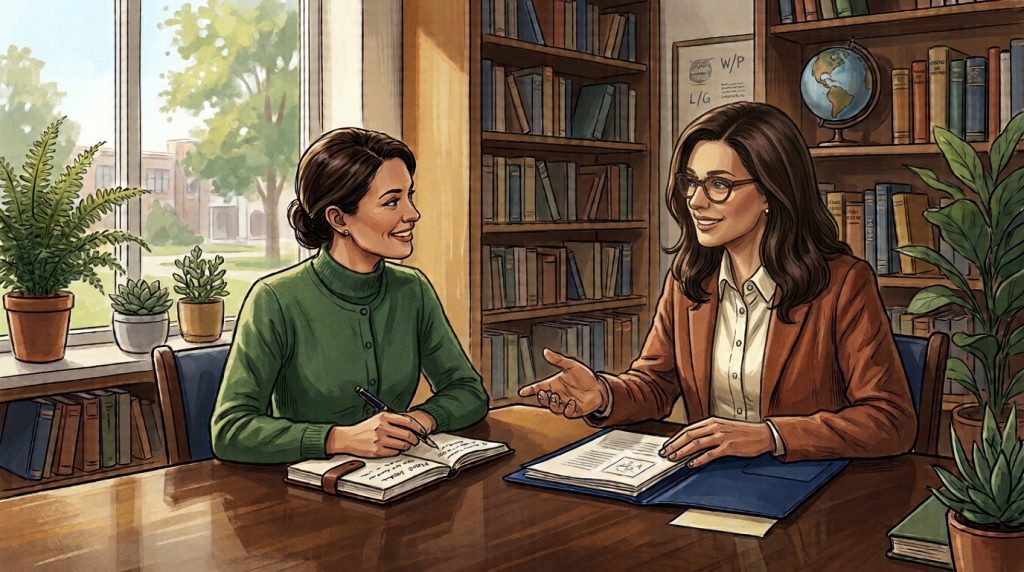
There comes a point in life when you realize you’re in the middle. Your children still need you for carpools, dinners, and shidduchim. And, at the same time, your parents need you too, for appointments, advocacy, patience, and presence.

You’re not solely a daughter anymore, not just a wife, and not only a mother and perhaps even a grandmother too. You’re all of it at once, and it can feel heavy. I want to remind us, myself included, that it’s also holy.

The mitzvah of honoring our parents is the fifth of the עשרת הדברות, placed on the בין אדם למקום side. It connects Hashem to the people who brought us into this world. We are commanded to honor parents, not our children. Love flows downward, and honor flows upward.

This isn’t random, it’s what anchors a Jewish home, and standing in the middle is a sacred assignment.

Be With Women Who Understand This

But it’s hard to stand in the middle alone. It’s helpful to surround yourself with women who understand this value, not women who are keeping score or whispering, “Why you again?” but instead see the bigger picture. You need friends who remind you that the way we treat our parents is what our children grow up seeing. 

They are watching not what we preach, but what we practice. One day, whether we like it or not, the roles will reverse, and they will do as we did, not as we said.

Be the Right Support for Your Spouse

I grew up watching something that stayed with me. My maternal Zaidy lived downstairs, and there were times when my mother felt alone carrying so much of the responsibility for her parents. I remember her, every so often, asking, “Where are the others? Why am I carrying this whole thing?”

My father would say, “Don’t look at them. This is your mitzvah and your schar. If they pitch in, great.” He was encouraging her to care of his father-in-law.

Years later, when his own parents needed more, I watched her do the same for them. My paternal grandparents moved in; there was no scoreboard and no resentment, there was a strong partnership and shared values!

If your spouse is the one carrying this right now, emotionally, financially, or logistically, be his cheerleader. Support doesn’t have to be dramatic; it looks like taking on a little more at home and giving a little more grace. Don’t compete with the mitzvah, strengthen it.

This Won’t Last Forever

When you’re in it, the appointments, the driving, the rearranging, and being there for everyone emotionally can feel endless. But it’s not endless.

There will come a day when the phone won’t ring with their name, and there won’t be another chance to show honor. We don’t have our parents forever, it is not permanent. One day you’ll look back and know that you stood in the middle with dignity, and you gave honor upward and love downward.

P.S. I shared this article with a friend who is balancing this right now, and I asked for her thoughts. She added something I didn’t want to leave out: try being open with your children. Let them know you see that it’s not easy for them, explain why this matters to you, and thank them for their patience. They will appreciate the communication and rise to the occasion. Thank you, Beila.


FOR EXCLUSIVE CONTENT AND A PEEK BEHIND THE SCENES, MAKE SURE TO JOIN OUR WHATSAPP STATUS HERE. JOIN OUR WHATSAPP GROUP AND WE’LL LET YOU KNOW WHEN A NEW POST IS UP!

Fraidy Broker Avatar

Fraidy Broker

Fraidy Broker is a fellow carpool mom who loves writing for BCP about practical systems and gentle mindset shifts. With a big-sister vibe, she shares insights on marriage, motherhood, and running a Jewish home with less stress and more intention.

29 responses to “The Holy Work of the Sandwich Generation”

  1. Michal Avatar
    Michal

    Beautiful chizuk, thank you! I appreciate the thoughtful framing of this challenge and opportunity. Any practical tips to balance raising our children with helping our parents?

  2. Fraidy Broker Avatar
    Fraidy Broker

    I wont pretend to have those answers.
    For me, mindset is everything, and having a strong support system makes all the difference.
    I’d love to hear from women who are a stage ahead of us, or anyone here who has some wisdom to share.
    Beyond mindset, what are some practical ways to navigate this season of life?
    Would love to hear your thoughts!

  3. Anon Avatar
    Anon

    As someone who lost one parent but still has the other (and is relatively busy with my remaining parent) there are times when it seems so much, almost too much. But when I think of how I wish I could still have the opportunity to do this for both my parents, it really does help. It doesn’t take away the stress of the actual doing but the gratefulness of still having one parent definitely eases the mental load/stress.

    1. Fraidy Broker Avatar
      Fraidy Broker

      Wow, thank you for posting and sharing. I truly admire the strength, devotion, and thoughtfulness you bring to such a challenging mitzvah. May you be zoche to continued koach, clarity, and many more mitzvos!

  4. Kayla Avatar
    Kayla

    Any tips for navigating the sandwich generation when you are young? My husband lost a parent recently and we are married less than 5 years with 2 little kids knh but now trying to balance that with caring for the other parent. It’s a different challenge than balancing older kids and parents, especially when none of our friends are in this stage of life

    1. F Avatar
      F

      I’m in exactly your situation. It’s extremely difficult for me and that much more for my husband and his sisters. Wishing you strength.

  5. Fraidy Broker Avatar
    Fraidy Broker

    Wow, that’s a whole different level of rising to the challenge, Tizke Limitzvos and Kol HaKavod.

    I haven’t walked in your shoes, but I did witness my parents support each other tremendously. I would guess your golden ticket is standing by your husband as he cares for his remaining parent.

    As a friend of mine says, “This mitzvah is high risk, high reward.” The potential for mistakes is real, but so is the reward.

    Strengthen your footing by learning the halachos together or with a friend. Knowledge can be incredibly empowering.

  6. Aliza Avatar
    Aliza

    Thank you Fraidy
    Such an important message
    And the point about supporting your spouse supporting his parents really spoke to me
    Wishing you and all the ladies balancing this all brachos.

  7. Anonymous Avatar
    Anonymous

    I want to add. DON’T COMPLAIN in front of your children.
    I grew up with my grandfather living by us. We respected him completely, but we also felt the same things we heard my mother complaining- that this is hard, and better if one of his other children would have done it.
    It seemed as though she took him in because she had no choice, which wasn’t actually true. She could have said no. But she does take responsibilty and then complain about it. So instead of feeling the zchus and the mitzva all those years, we felt taken advantaged, and we felt guilty that my mother had it so hard.
    I think that the important thing here to know is that if you make a choice, STAND BY IT. Don’t complain about your own choices. Love them.

  8. ap Avatar
    ap

    And allow yourself to acknowledge that it is a challenge. That it’s extremely painful to watch a parent (especially a relatively young one) deteriorate and that it comes with a grieving process of its own. There are many of us who are far from having children in shidduchim who are busy with our parents (often after the petirah of one parent.)The fact that our peers are still going to/counting on their parents for suppers, shabbosim and after babies, compounds the pain. This article is beautiful but it doesn’t feel understanding of the many layers involved in a young mother who is torn in so many directions. It’s our mitzvah and our zechus – one that we need tremendous siyata dishmaya to properly achieve.

    1. RL Avatar
      RL

      This is where I’m at. Long before shidduchim. Bh with both parents to love and care for. Tyh for my wonderful husband who takes on so much for his in laws!! But yes.. most of my friends are dropping their kids at their parents n moving in for shabbos while I’m hosting my parents for all of pesach! And taking care of them daily whilst running car pools n fighting morning sickness and dealing with teens and pre teens and toddlers.. k”ah we are so blessed! And we feel so privileged to be the ones close by! Yet it’s also hard! So thank you for the chizuk!!

      1. Fraidy Broker Avatar
        Fraidy Broker

        Thank you for taking the time to share such an inspiring comment. May Hashem give you the koach, patience, and clarity to continue this beautiful mitzvah, while finding the balance to care for yourself and your own family as well. May you see tremendous bracha in all your efforts! ❤️

  9. Sara Avatar
    Sara

    I am also a young mother with BH 5 littles and one on the way and l am a bas zikunim, I have to work really hard to remove the resentment from my heart when I see my friends with small children have their parents host them for Yom tov and help them and I have hosted my parents from the time I was 25. Now they really need care and to prepare myself when they come but I still need care myself I read rabbit wallersteins Sefer on kibud av vaem and I also speak to my therapist to help think through the conflicting emotions that come with caring for my parents when I’m still relatively young. I don’t think I’ll ever really be at full shalom with it but I do try to think of being thankful they are still here and still try to give me love in the ways they can.

    1. TG Avatar
      TG

      I can very much relate to this experience. One thing that helps me is knowing that Hashem sees it all and sees my effort, even if others don’t. I also try not to compare myself to others especially when I take shortcuts or do “less” as I remind myself that I’m in a different circumstance with less support than them. And also I try to thank Hashem that I myself am young and strong and able to care for others. In some ways I’m sure taking care of aging parents at an older age myself would come with its own challenges. And yes, I also give myself permission to acknowledge that it’s hard, and that’s ok too. May Hashem give all of the young and middle aged mommies carring for parents or in laws an extra level of koach and siyata d’shmaya!

  10. Fraidy Broker Avatar
    Fraidy Broker

    This is exactly why I love the comment section so much!

    The women here have taken this article to an entirely deeper level. The way you’re showing up in your many roles is truly mind-blowing.

    Hashem is shepping nachas, that’s for sure!

    May you all continue to be a source of nachas to yourselves, your parents, your husbands, your children, and Hashem.

    ❤️

  11. Frog Avatar
    Frog

    My siblings and I look after my father after my mother was niftar at a young age. As time goes on, my father is getting older and less able, but everyone does their part and we look after him together. My husband has shown me what real kibbud Av is, as he comes from a family where my in laws are heavily involved in looking after an ageing parent. I have his full support and example. Our children see his exemplary way and are mechabed my father even though it isn’t always easy. It is beautiful to watch. Ladies, it isn’t easy and we do it because we are meant to, without looking for reward, but know that it pays off for future generations. Hashem knows and sees.

  12. C Avatar
    C

    Coming from an entirely different situation, where the parent-child relationship isn’t healthy made this article painful for me on a different level.

    Knowing that my parents need me and not feeling able to give back to them due to unhealthy dynamics makes me feel so terribly guilty. I’m speaking to a rav and a therapist, but for all the others in that kind of situation…. I’m here with you.

  13. Ap Avatar
    Ap

    The article felt too chipper and flippant for a big, heavy topic with many, many layers. I wish that would have been acknowledged. So many of us are struggling.

    1. Fraidy Broker Avatar
      Fraidy Broker

      Thank you for sharing your perspective.

      You know how so many podcasts begin with a disclaimer? Perhaps I should have included one here, too.

      The articles on this forum generally speak to ordinary circumstances, and we certainly recognize that real life can be far more complicated and layered.

      Us authors are not therapists (unless indicated) nor are we Rabbanim. We are Jewish women sharing perspectives, supporting one another, and hopefully offering a little encouragement along the way.

      Sending you much love, admiration, and strength as you navigate your own challenges. ❤️

  14. Mindy Avatar
    Mindy

    The comment section here is truly an amazing discussion leading from an article that opened an important conversation. My father was niftar young and although most of us were married- we were “young married”, some with only two babies who like many of the commenters were now hosting instead of being hosted. Like another person posted- we had a ben zekunim too and he’s dealing with a lot of what you’re describing. As the oldest sibling i have my own unique struggles but since the others looked to me for direction I knew it was even more important to frame the struggle in my mind and to give it over to my sibs. Fact is- Hashem doesn’t make mistakes. We say in davening that He’s a Rofeh Neeman- which means that no-one can suffer unless everyone else who will be affected by their illness ( or death lo aleinu is meant to have that pain and aggravation). Just like my mother didn’t choose to become an almanah at a young age – i didn’t choose to be the young mother dealing with a young almanah mother at this stage in my life. But Hashem who is perfect felt that this was my tafkid and with its ripple effect- the tafkid of my siblings and their spouses and their children. As with any form of grief in life there are stages of anger and denial, bargaining, and sadness but ultimately what helps is aligning our ratzon with Hashem’s ratzon for us. When we could accept that every detail in our life was and is perfectly orchestrated- from our birth order and place in the family to how long we would be zoche to have both parents alive and well then it takes away the anger and resentment. We can daven to Hakadosh baruch hu that we be given the tools and support to rise to our challenges with dignity, grace and courage and that we fan one day look back at this stage of our lives and be proud of ourselves. The most special people in klal yisroel did not have easy lives. Think of yourself as the hero that you are- doing Hashem’s custom curriculum for your personal growth! Chazak v’ematz!!

    1. B Avatar
      B

      What beautiful words of chizuk you write here. So much of what you said here touched me. Through tears and heartwrenching pain, I recognize that I am going through the stages of grief you describe. Shamefully, I am still in bitter denial, but at the same time, I recognize I can’t argue with Hashem’s plan.
      Thank you for your encouraging words. Thank you to the author for opening the door for this very heavy topic.
      Wishing all children at every stage and every age that are going through this nisayon a lot of Siyata D’shmaya and the strength to cope. Warm hugs to all.

    2. C Avatar
      C

      So well put, yet each of us needs to travel our own journey to reach that point of acceptance! I carried a lot of resentment for quite some time until I was able to reach the point of understanding exactly what you stated above- that this situation was PERFECTLY designed for ME, and my family by the BOREIH OLAM, who loves me more than I could ever imagine! This very challenge may be my tafkid. No, it doesn’t take away the challenge, some days can be real challenging. But just looking at last week’s parsha- b’davka it was through experiencing all of Avraham’s nisyonos (I would never want any of those) that enabled him to be zoche to become our forefather. So with a positive attitude, (and yes, I believe it’s okay for your kids to realize that you are stretching yourself ), constant tefilla, and knowing this is all for HaShem, one day you may turn around and realize that through it all you indeed have become a better person.

      1. Fraidy Broker Avatar
        Fraidy Broker

        The women of our nation never cease to amaze me!

        Thank you for taking my article and adding so many beautiful layers of insight and wisdom.

        And thank you, BCP, for creating this forum where we can encourage one another, learn from each other, and grow together in our holy avodah.

        May we all be blessed with continued koach, nachas, and gezunt!

  15. L Avatar
    L

    I’m married for less than two years and watchin my amazing mother in law taking care of her father who recently started deteriorating quickly. Any tips from people in this situation on how would want your children/ in law to support or help you? We don’t live in the same city as them.

    1. Fraidy Broker Avatar
      Fraidy Broker

      What a beautiful question! I think telling your in-laws how much you admire what they’re doing can go a long way. Sending flowers, pictures of the grandchildren, or little thoughtful surprises can brighten their day. And checking in regularly, just to see how they’re doing.

      I’d love to hear from others who’ve been on the receiving end of this kind of support. What meant the most to you?

    2. LD Avatar
      LD

      If you are going for shabbos/yom tov offer to cook some food or bring dessert, etc and make sure to be helpful with cleanup when you’re there. If they’re already stretched thin, the extra help will be very appreciated. Also don’t be resentful if they are not as helpful as usual with your kids. Even if the parent they care for is not there for yt they might just be burnt out and need a break

  16. Sara Avatar
    Sara

    Any advice for when the spouse does not support? We are young (30), with a bunch of young kids, and my parents are aging and could really use any help I would give them. My husband wants me to be involved the least possible and feels ‘cheated’ that we already need to be on the giving side.

    1. Fraidy Broker Avatar
      Fraidy Broker

      I’m sure you’re not alone in this. I don’t pretend to have all the answers, and sometimes guidance from a Rebbetzin, therapist, coach, or mentor is needed.

      If I can offer one thought: Perhaps the avodah here is to genuinely understand your husband’s perspective. Be compassionate. Once he feels heard and understood, he may become more willing to “share” you. And he may not.

      We aren’t all zoche to the same mitzvos, and we don’t all have the same journey.

      Practically, are there ways to help your parents while still prioritizing your husband? Cooking them a meal, FaceTiming, sending groceries, or helping with appointments when you have opportunities?

      If you’d like to talk this through further, I’d be happy to.
      Email hello@betweencarpools.com, and BCP will connect us.

      Sending you koach! ❤️

  17. Yaffa B Avatar
    Yaffa B

    Hi as a young mother taking care of my parents (since my mid 20s bH) I can say that this is the BEST chinuch for your kids!!

Leave a Reply

Your email address will not be published. Required fields are marked *

This site uses Akismet to reduce spam. Learn how your comment data is processed.

FREE GIFT!

Close the CTA

Get our BCP Lifepages Planner by signing up to our email list!