
We Were Supposed to Bond. So Why Does More Time Together Often Lead to More Conflict?
When summer begins, many of us imagine something very different from what actually happens. We picture slower mornings, family outings, popsicles on the porch, and quality time with our children. Then, three days into summer, we’re wondering how it’s possible to love our kids so much and be so irritated by them at the same time!
The fighting starts. The constant requests begin. The whining. The boredom. The sibling arguments. The feeling that someone needs something from us every thirty seconds. And suddenly we’re snapping, lecturing, threatening consequences, and ending the day thinking, summer was supposed to be so fun, what happened?!
But that’s the summer parenting trap.
The problem is not that you’re a bad parent, and it’s not that your children are especially difficult. The problem is that summer creates the perfect conditions for us to operate on autopilot. When we’re together more, there are simply more opportunities to get triggered. More opportunities for frustration. More opportunities for our brains to react before we’ve had a chance to think.
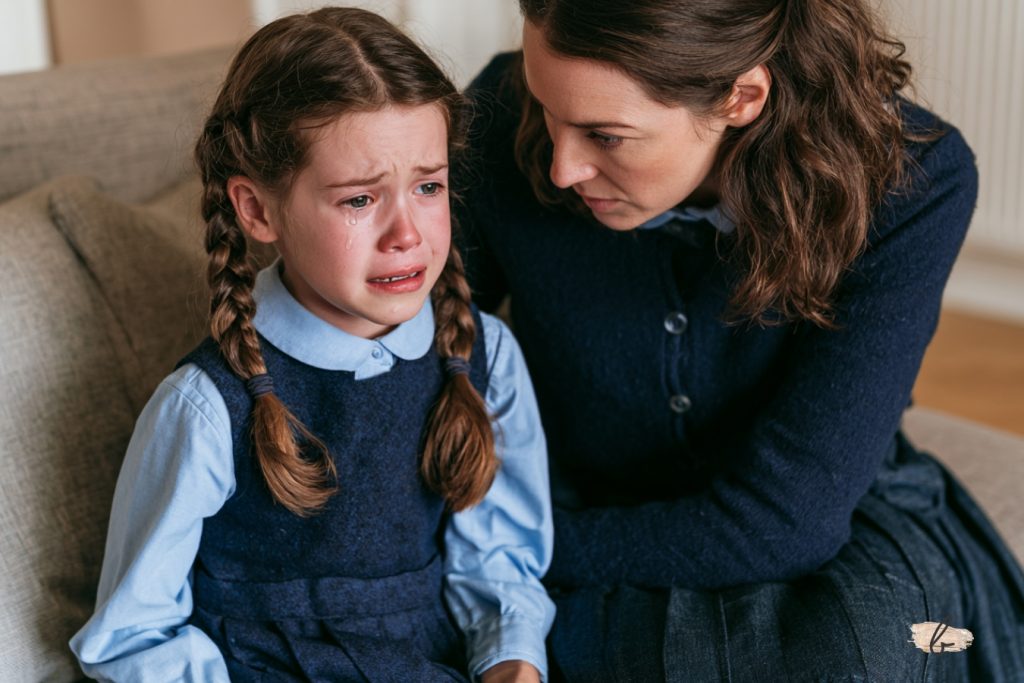
Most of us move between two modes of parenting throughout the day: automatic mode and intentional mode. Automatic mode is when your child spills the drink, and before you even realize what’s happening, the words are coming out of your mouth. Automatic mode is when siblings start fighting for the fifteenth time that day and before you’ve had a chance to think you’re already jumping in, taking sides, or raising your voice. It’s fast, it’s reactive, and it almost never reflects the kind of parent we actually want to be.

Intentional mode is different. It creates a small space between what happens and how we respond. And that tiny space changes everything. Viktor Farkl famously wrote, “Between stimulus and response there is a space. In that space is our power to choose our response. In our response lies our growth and our freedom.” The challenge is creating that space when you’re in the middle of a hectic summer day.
That’s why patience isn’t really the skill you’re practicing. You’re practicing the pause that makes patience possible. Imagine you’re driving and suddenly realize you’re heading in the wrong direction. You can’t simply turn the wheel and instantly go the other way. You have to stop, back up, and turn around. Parenting works the same way.
Before we can respond differently, we need to pause long enough to notice where we are headed. The next time your child does something that pushes your buttons, don’t immediately respond. Pause. Take a breath. Say a quick tefillah, “Hashem, help me respond in the way that’s best right now.” or whatever comes from your heart. Before reacting, take a moment to notice the difference between what your automatic brain wants to say and what you actually want to say. They’re not always the same thing. The goal is to create enough space to choose your response instead of letting your response choose you.The pause doesn’t solve the problem, the pause helps you handle the problem.

Your child may still be whining. The sibling argument may still be happening. The behavior may not stop immediately. The pause is not a magic wand. But something powerful happens when we begin to respond intentionally instead of automatically. Our children borrow our calm. They learn regulation by experiencing regulation. They learn how to handle frustration by watching how we handle frustration. This is real life co-regulation. The house won’t necessarily be calm, the children won’t stop struggling, but there will be a parent who models what it looks like to pause, regulate, and respond thoughtfully when things get hard.
We spend so much of parenting trying to change our children. We want them to listen better, argue less, be more respectful and make better choices. But perhaps the real work of parenting begins with us; with a pause, with a breath, and with a tefillah asking Hashem to help us respond in the right way. Because we cannot control our children, and we cannot control every outcome, but we can control how we show up. When we show up differently, everything else begins to change.
This summer, don’t measure success by how often your children cooperate. Measure it by how often you pause before responding. So here’s a simple challenge for this week: choose one moment each day to practice the pause. (You can even set an alarm on your phone.) Pause before responding to the whining. Pause before getting involved in a sibling argument. Pause when your child says something that pushes your button. Take a breath, say a tefillah, then respond. Every pause is a chance to step out of autopilot and respond more intentionally. And those small pauses repeated day after day, can change the tone of your home more than you’d expect.
One pause won’t change your summer. But one pause practiced over and over again just might.










|