
Teaching children gratitude takes more than reminding them how lucky they are. How to raise grateful kids who notice the good and are happy with what they have.
One evening, a child complains, “I don’t want this. Why can’t I have what he has? It’s not fair.” And every parent knows the instinctive response: “You should be grateful! Do you know how lucky you are?”
Maybe there’s a better question. Not: How do I make my child grateful? But: How do I help my child notice the abundance of goodness in life?
Children Learn What We Notice
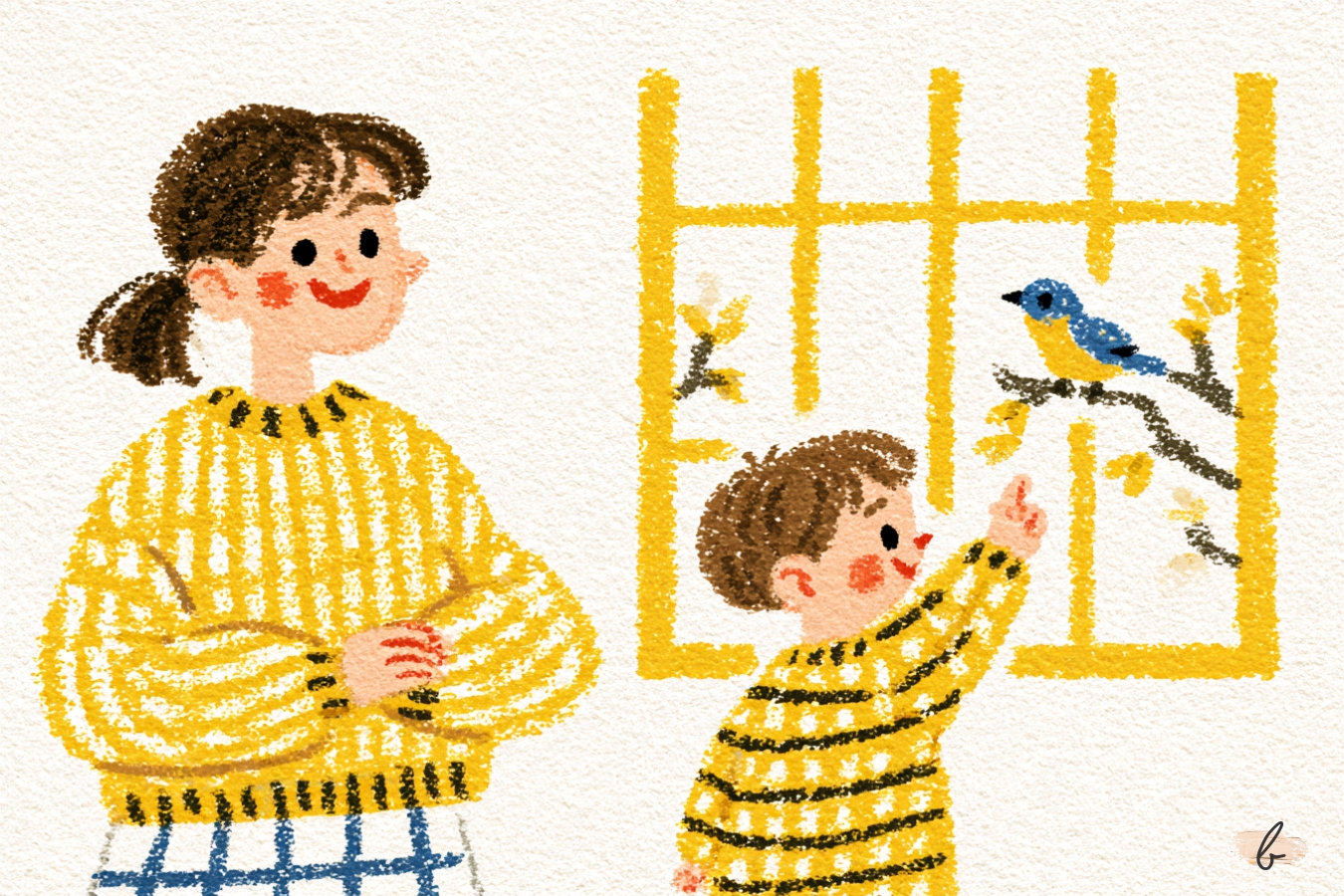
A child watches us constantly. They notice whether we complain about traffic or marvel at the sunset. They notice whether we rush through dinner or savor it. They notice whether we say thank you only when someone does something for us – or whether gratitude is simply part of how we speak about life.
We don’t teach gratitude only through lectures. We teach it through the atmosphere we create in our homes. If a child repeatedly hears: “Look how beautiful that is.” “We’re so lucky to have Grandma.” “Thank G-d everyone came home safely.” “That was difficult, but look what we learned.” Then the child begins to acquire a different lens.
Gratitude Isn’t Denial
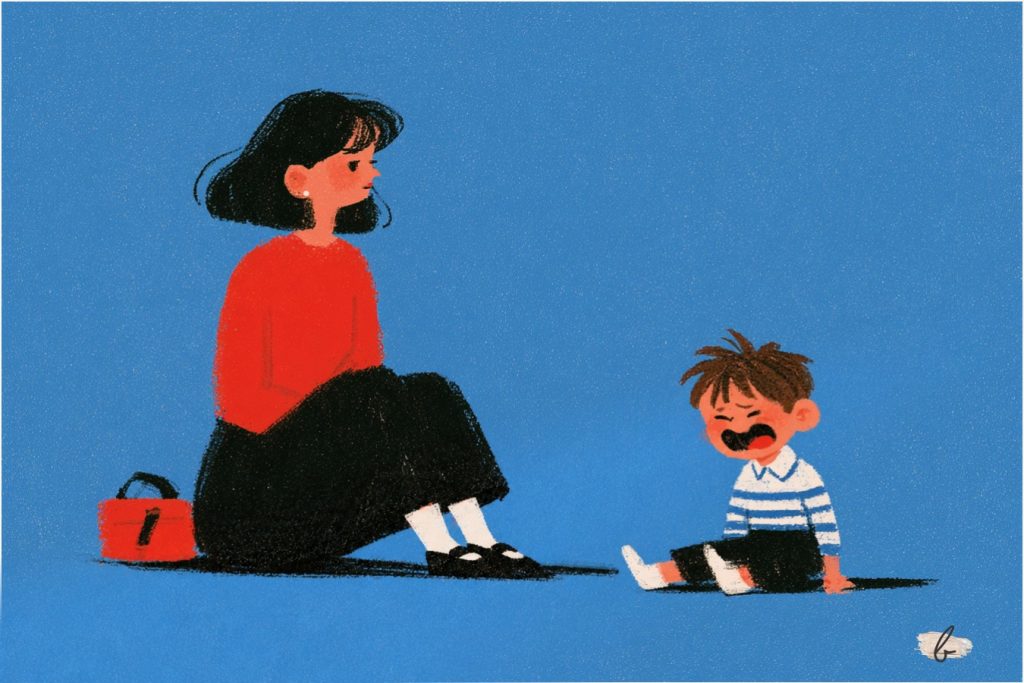
We don’t want children to think, though, that being grateful means pretending everything feels great all the time. If a child is genuinely hurting, telling them, “You have so much to be grateful for,” can make them feel unseen. Jewish wisdom doesn’t require us to deny pain.
We can hold two truths at once: “This hurts.”And: “There is still goodness in my life.” “I’m disappointed.”And:“I can learn from this.” “Things didn’t go the way I wanted.”And: “I still have choices about how I respond.”
Building gratitude skills also helps build resilience in life.
Give Children the Gift of Same’ach B’Chelko
Pirkei Avot teaches: “Who is rich? One who is happy with his portion.” Imagine giving a child that definition of wealth. Not: Who has the newest phone? Not: Who has the biggest house? But: Who can appreciate what they have? This means our happiness isn’t held hostage by the next acquisition.
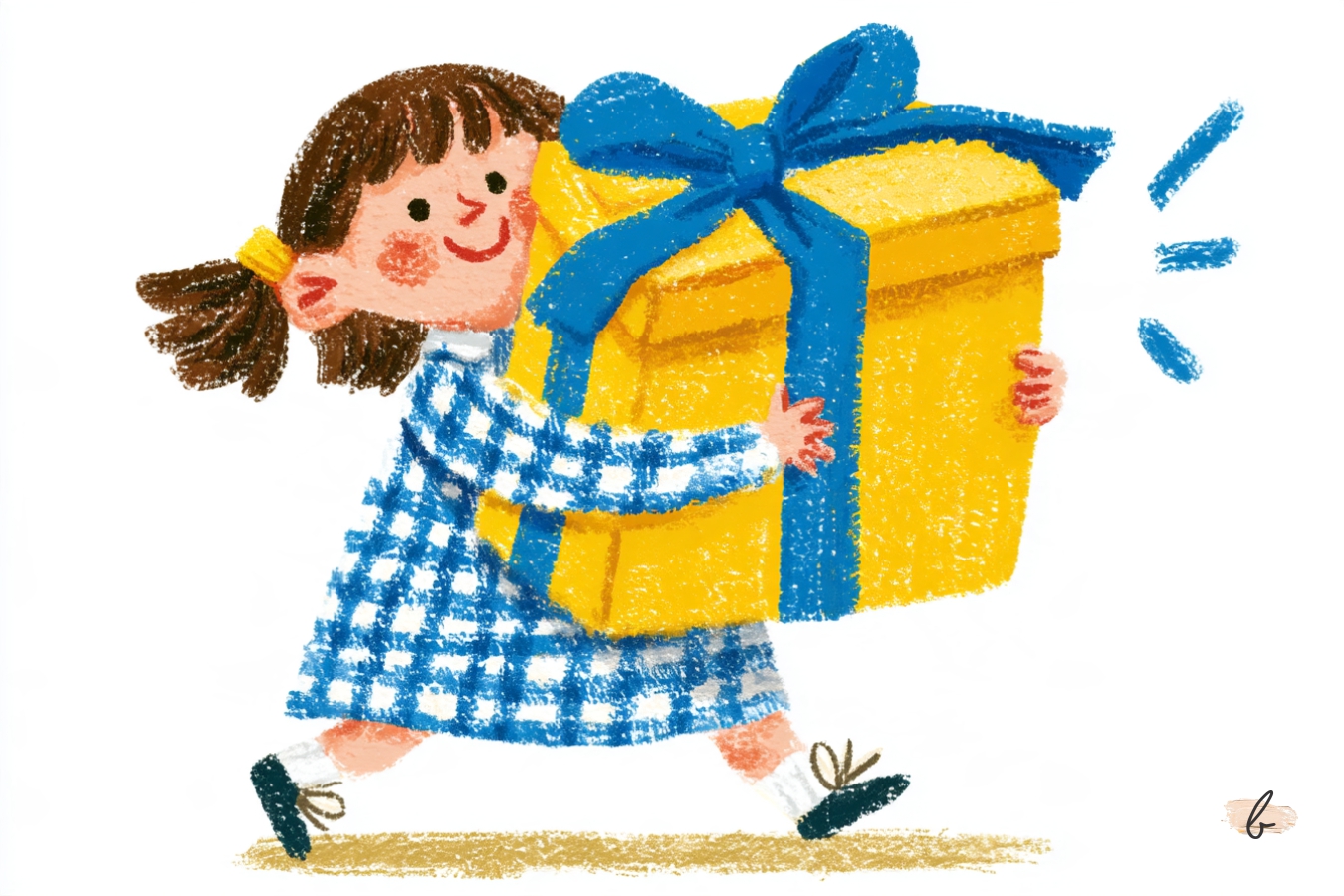
A child who learns to appreciate a simple meal can enjoy a feast. A child who learns to appreciate a friendship doesn’t need a hundred friends. And a child who learns to notice beauty can find it almost anywhere.
Create a Family Language of Gratitude
Try asking one question at bedtime: “What was one gift you received today?” Explain that it doesn’t have to be something material. It could be a friend who helped them, a funny moment, something they learned, a beautiful sky, or a difficult experience that taught them something.
And the parent’s answer is crucial too. Because this isn’t just a lesson for children – it’s a family practice in a living classroom.
The Legacy We Leave
We can spend enormous amounts of energy thinking about what we want to give our children: education, opportunities, security, values. But one of the greatest gifts is also teaching them to appreciate the life they already have.
Because eventually our children will leave our homes. We won’t be there to tell them what to think about every disappointment. And we won’t be there to remind them to refocus their attention.
What will remain is the internal voice we’ve helped them develop. The voice that says: “Notice what’s good here.” That may be one of the most meaningful legacies we can leave them.
It’s not that we want children who have a lot. We want children who recognize the abundance of treasures already filling their lives.
Yes, You Can Live Your Life–with Gratitude, 8 Easy Ways to Teach Your Children Gratitude, and How to Increase the Feelings of Gratitude in Your Home.







|