
We think that we shape our children. But parenting also shapes us along the way?
We put so much thought into the people our children are becoming.
Are they learning responsibility, self-control, kindness, and respect? Are we giving over the right values? How can we help them manage their emotions, handle disappointment, and make better choices?
We spend years trying to shape our children. It is easy to miss that there is another person being shaped along the way.
You.
Each child brings something different out of us.
One child may require more patience than we ever thought we had. Another may bring us face to face with how badly we want to feel in control. A child who becomes overwhelmed easily may force us to learn how to stay calm in the presence of big emotions. A child who tests every limit may teach us how to remain firm without reacting in anger.
Rabbi Jonathan Rietti has a shiur titled “Your Tough Kid Is Your Tafkid.” I love that phrase. The children Hashem places in our lives can show us where our own work lies.
We do not choose our children or the temperaments, sensitivities, strengths, and challenges they come with. Hashem gives us each specific child as a gift. While we are busy training our children, their unique personalities and challenges become part of the toolbox Hashem uses to help us build ourselves.
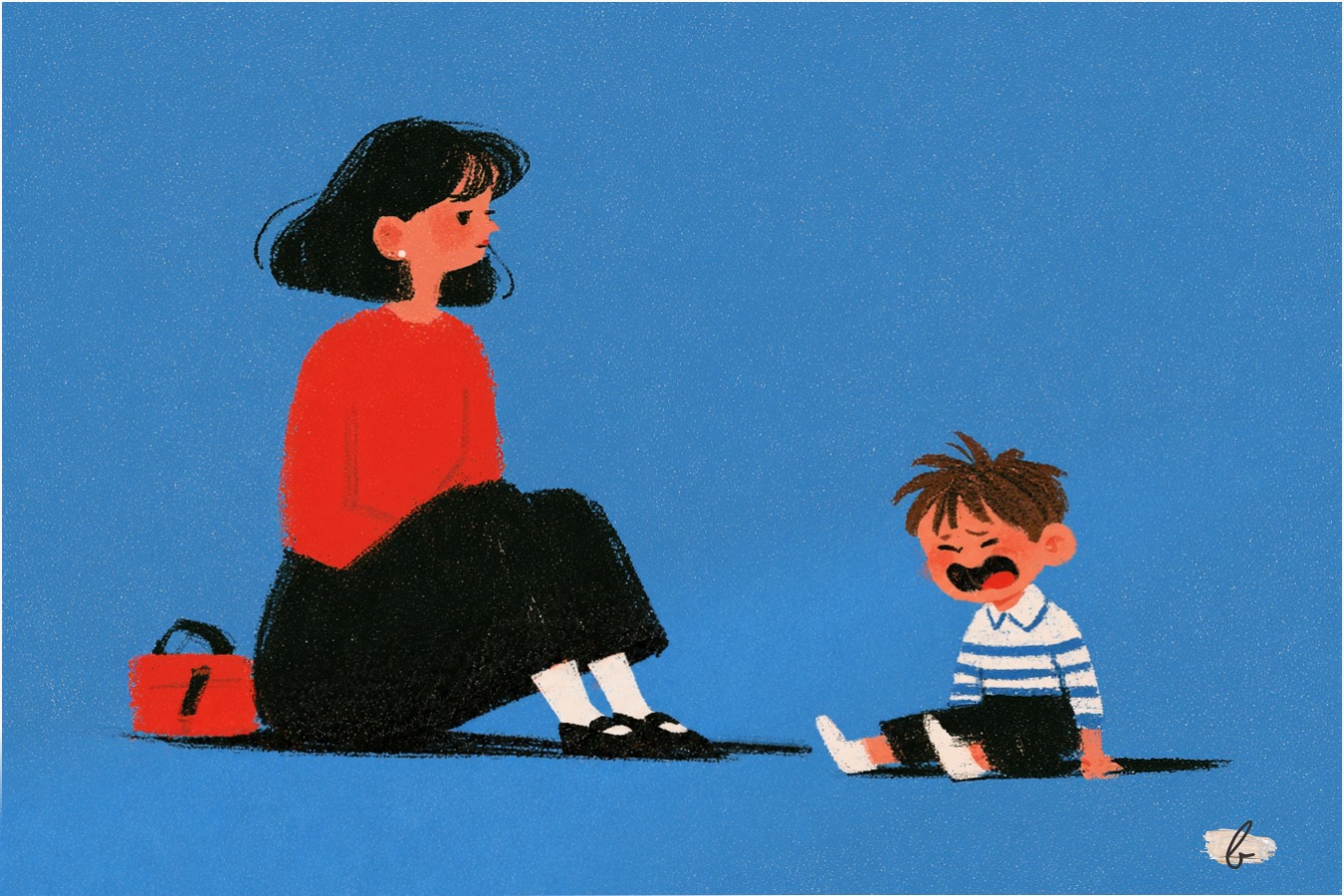
We may begin parenting focused on teaching our children to regulate themselves. Then we find ourselves standing in the kitchen with a child screaming at us and realize how difficult it is to regulate ourselves.
Our children’s hardest moments can bring parts of us to the surface that might otherwise remain hidden.
Can I stay steady when my child is falling apart?
Can I lower my voice when every part of me wants to raise it?
Can I hold a boundary without turning it into a battle?
Can I see the child in front of me when the behavior is taking up all my attention?
I heard Rabbi Rietti explain this concept through the opening words of parshas Noach.
“אלה תולדות נח.” “These are the children of Noach.”
We would expect the Torah to list the names of Noach’s children here. Instead, the pasuk continues, “נח איש צדיק.” “Noach was a righteous man.”
Rashi explains that the primary offspring of tzaddikim are their mitzvos and good deeds.
Shem, Cham, and Yafes are named in the next pasuk. But first, Rabbi Rietti points out, the Torah tells us who Noach became.
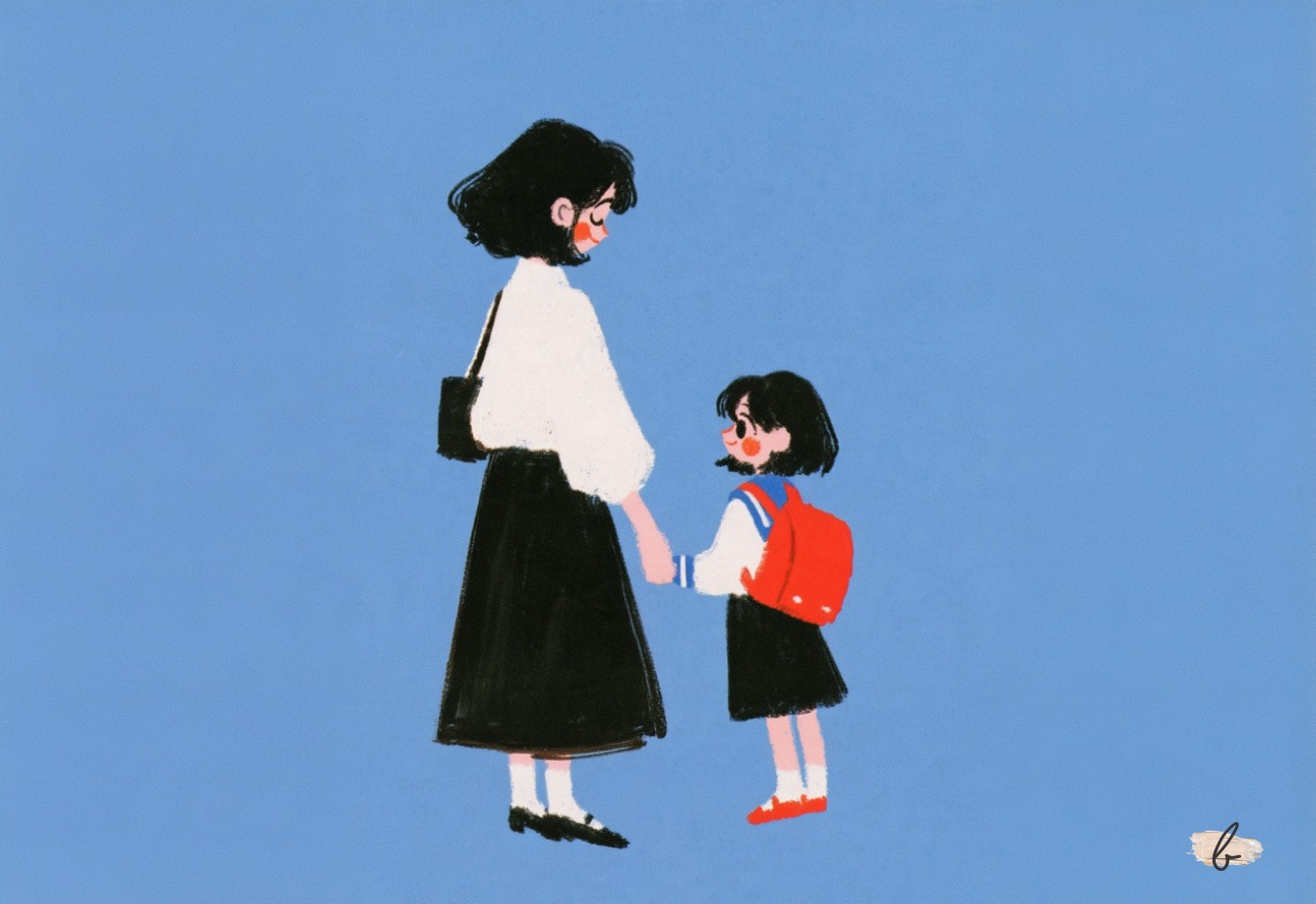
Perhaps the Torah is drawing our attention to another part of raising children too. Who are we becoming as we raise them?
Of course, our children’s struggles are not necessarily a reflection of something we are doing wrong. Children come into the world with their own temperaments, sensitivities, strengths, and challenges. Some children need more support than others. They may need clear limits, consequences, or help building skills.
While we are figuring out what they need from us, we can also pay attention to what these moments are showing us about ourselves.
It can help to look at a difficult moment from both sides:
Not only, “What does my child need to learn right now?” but also “What do I need to work on right now?”
My child may need to learn that he cannot hit. I may need to work on setting that limit calmly.
My child may need to clean up the mess she made. I may need to give a clear direction without adding a long lecture.
My child may need to hear no. I may need to allow her to be unhappy with my answer without becoming upset by her reaction.
Both pieces matter. We guide our children, and we pay attention to the person we are becoming as we guide them.
Parenting gives us endless opportunities to build patience, self-control, humility, and the ability to see the good. We practice patience in the everyday delays, self-control when a sharp response is ready to come out, and humility when we apologize after getting it wrong.
We spend years focused on how we are shaping our children. All the while, Hashem is using the work of raising them to help shape us.
When we do not see parenting this way, these moments can easily pass us by as one more frustration to get through. But when we begin looking at our parenting through this new lens, we can notice what each child is bringing out in us.
Each of our children gives us opportunities to build parts of ourselves that we may never have had the chance to build otherwise. The children we are raising are helping us become the people we are meant to be.








|