
The Wet Towel Was Not the Problem

Yes, summer, with its schedule challenges, constant buzz of activity, extra laundry, and extra carpools can be a challenging time for women. Instead of complaining to him that you’re left to do the extra work—this is a better game plan.

Chani stepped on the wet towel in the hallway and froze.
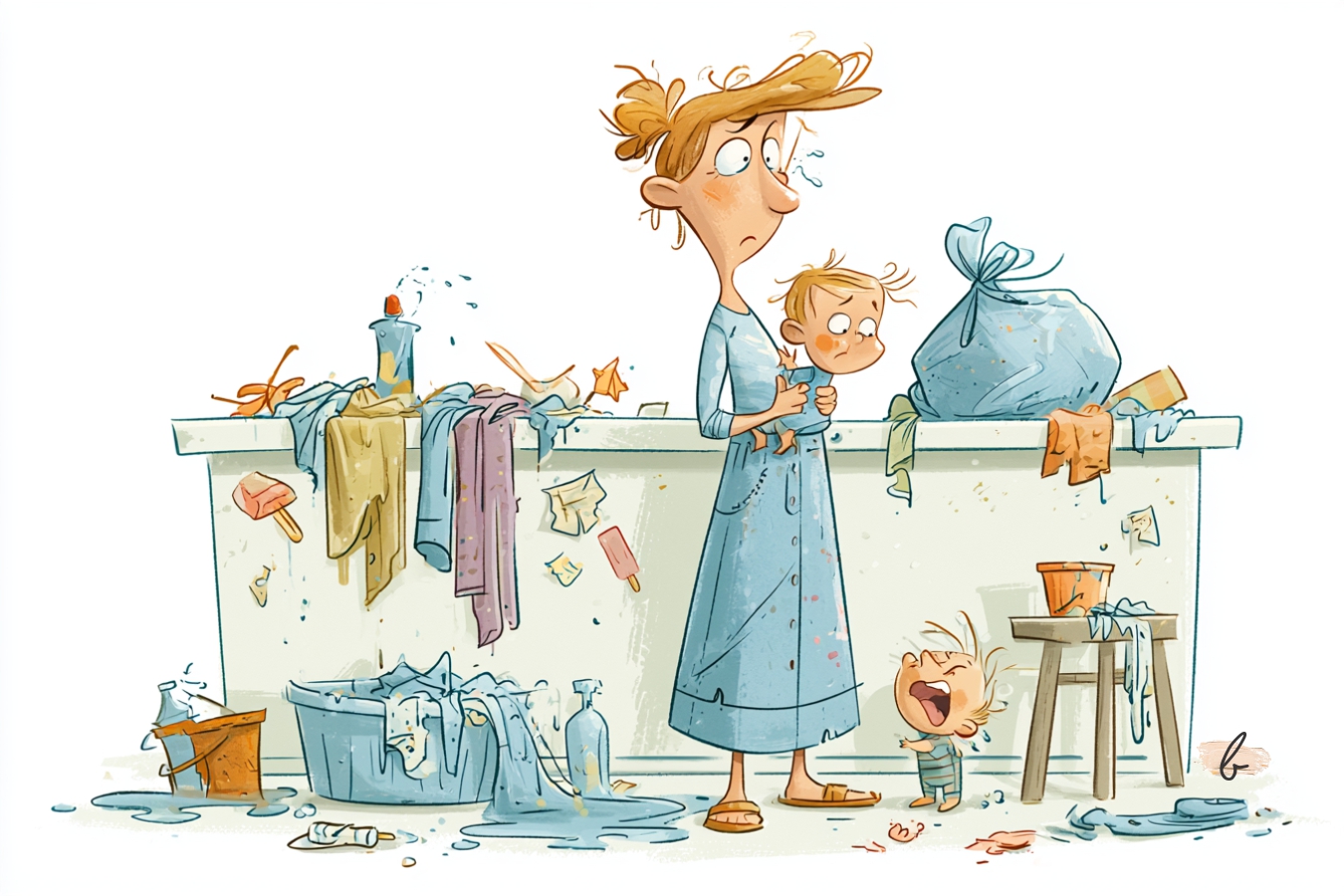
There were bathing suits dripping over the railing, freeze-pop wrappers stuck to the counter, a sunscreen bottle leaking onto the table, and a child calling, “Ma, what’s for lunch?” even though breakfast had ended forty-five minutes ago.

Somewhere in the house, someone was crying because one of her jacks was missing.

And Chani, who had once imagined summer as slower, softer, maybe even fun, felt her whole body tighten.

Wasn’t summer supposed to be relaxing?

So why did it feel like she was running a hotel, day camp, restaurant, laundry service, and travel agency out of her kitchen?

Why Summer Feels So Much Harder Than It Looks

The travel agency part was the worst.

Vacation. Even the word made her tired.

Chani had browser tabs open for day trips, bungalow rentals, hotel deals, splash pads, indoor activities for rainy days, affordable outings, and “family fun near me that doesn’t cost a fortune.”

Every idea had a problem.

Too expensive. Too far. Too crowded. Too boring for the big kids. Too hard with the little ones. Too complicated with food. Too much packing.

Too much everything.
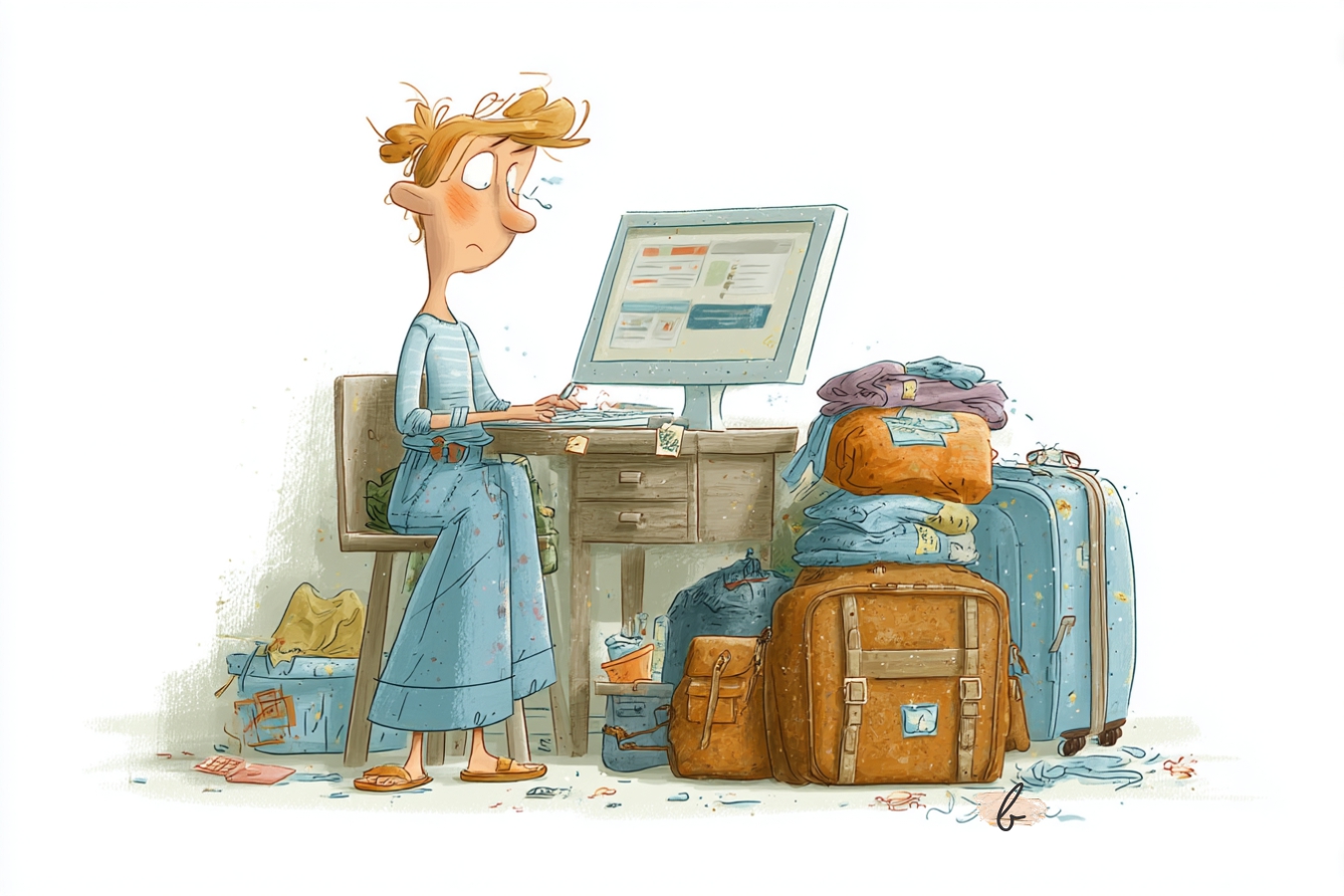
And then Avi came home. Calm. Pleasant. Normal.

That was almost the most irritating part. His life looked exactly the same.

Winter, spring, summer, fall, he got up, went to shul, went to work, came home, ate supper, took a phone call, learned, and went to sleep.

Meanwhile, Chani’s entire world had been turned upside down.  And somehow, he could not understand why she was so uptight about wet towels.

When He Doesn’t See What You’re Carrying

He walked into the kitchen and saw her standing there with a laundry basket on her hip.

“What happened?” he asked.

Chani gave a short laugh. “What happened? Summer happened.”

Avi looked confused.

She pointed toward the hallway. “There are wet towels everywhere. The kids are totally off schedule. Nobody is sleeping. Everyone needs food every five minutes. We have no vacation plan. Everything is expensive. And you’re walking around like everything is normal.”

He paused. “So tell them to hang up their towels.”

That was it. Tell them to hang up their towels.

Chani stared at him.

Because she was not hearing a practical suggestion.

She was hearing, You’re making a big deal out of nothing.

And suddenly, the towel was not a towel. It was the whole summer.

It was the pressure to create memories while staying on budget. It was the guilt that the kids were bored. It was the endless snacks, late nights, laundry, packing, fighting, planning, and decision-making.

It was the feeling that if she did not think of everything, nothing would happen.

And if she did think of everything, she would be the one carrying it all.

What We Usually Want to Say

Chani wanted to say, “Must I explain why this is stressful?”

She wanted to say, “Do you have any idea how much I’m doing?”

She wanted to say, “Why am I the only one thinking about vacation?”

And honestly, every sentence felt true.

But she had said versions of that before, and they never landed the way she hoped.

Avi would get defensive. Or quiet. Or practical. Or hurt.

Then she would feel even more alone.

What To Do Instead

So this time, Chani did something small.

Not dramatic or spiritual-looking. Not even especially impressive.

She put down the laundry basket and took one breath.

And instead of explaining the entire emotional history of summer, she asked herself one question:

What do I actually want?

At first, all she could hear was irritation.

I want people to stop making messes.

I want him to notice.

I want someone else to think for once.

But underneath all that, there was something simpler.

She was tired. She wanted help. She wanted one piece of summer to feel manageable.

So she said, quietly, “I would love to go on one simple outing this week.”

No lecture. No, “because I plan everything around here.”

Just the desire.

Make the Desire Simple

Avi looked at her.

She waited.

After a minute, he said, “Okay. What were you thinking?”

That question could have opened another browser tab in her brain.

She could have listed every option, every price, every reason nothing worked.

Instead, she said, “I’m not sure. I would just love something easy.”

Avi nodded.

“Maybe we can do something local one afternoon,” he said. “A spray park and a picnic supper.”

It was not a dream vacation.

But Chani exhaled.

Because for the first time all day, she felt a tiny bit less alone.

She had not handed Avi a complaint.

She had handed him a small blueprint for making her happier.

It was not perfect.

But it was different. And in marriage, different matters.

Why This Works Better Than Complaining

Sometimes the hardest part of summer is not the mess.

It is the meaning we attach to the mess.

I am alone.

Nobody sees me.

His life stays normal while mine falls apart.

That story is exhausting. And once it starts playing, even a wet towel can feel like an insult.

But a simple desire changes the conversation.

“I would love a quiet walk after the kids are asleep.” 

“I would love to order pizza tonight.”

“I would love help cleaning up before bedtime.” 

A desire is not a guarantee. It does not mean everyone will cheerfully cooperate.

It does not mean the towels will magically disappear, or the vacation will plan itself.

But it gives the people around us something much easier to respond to than resentment.

Try This the Next Time You Feel Yourself Snapping

Before you explain, defend, complain, or prove how much you are carrying, pause and ask yourself:

What do I actually want?

Then say it as simply as possible.

“I would love an early bedtime tonight.” 

“I would love to go out for ice cream.”

“I would love extra cleaning help.”

Summer may still be messy. The kids may still be off schedule. The finances may still be tight.

And yes, there may still be wet towels on the floor.

But one softer sentence can change the whole feeling in the room. 

And in the middle of summer, that can feel like fresh air. 

A small reminder that even in the chaos of summer, you do not have to lose yourself or your connection to him.

If this summer has brought out the worst in you, it does not mean something is wrong with you or your marriage.

It may simply mean you are carrying more than anyone can see.

FOR EXCLUSIVE CONTENT AND A PEEK BEHIND THE SCENES, MAKE SURE TO JOIN OUR WHATSAPP STATUS HERE. JOIN OUR WHATSAPP GROUP AND WE’LL LET YOU KNOW WHEN A NEW POST IS UP!

Zakah Glaser, Certified Laura Doyle Relationship Coach

Zakah Glaser is a Certified Relationship Coach who helps women bring more peace, warmth, and connection into their marriages through small, practical shifts that can transform the atmosphere at home without dragging their husbands to therapy.
She offers private coaching, group coaching, and complimentary Marriage Breakthrough Sessions for women who want to feel more cherished, supported, and emotionally connected in their marriages.
You can book a free Marriage Breakthrough Session here, visit her website, or email her at info@shalombayisagency.com. You can also join her free WhatsApp group for short daily inspirational messages here.

19 responses to “The Wet Towel Was Not the Problem”

  1. Chavi S Avatar
    Chavi S

    OMG wow, describing my life!!! This was so super on target and helpful!!

    1. Zakah Glaser Avatar

      Chavi, I’m so glad it felt so relatable and gave you something helpful to take away. Zakah

  2. b Avatar
    b

    wow! beyond real and relatable! thank you so much!

    1. Zakah Glaser Avatar
      Zakah Glaser

      Sometimes just recognizing our own experience in someone else’s story can bring so much clarity. I’m grateful the article spoke to you. Zakah

  3. Chaya Avatar
    Chaya

    This is the story of my life!

    1. Zakah Glaser Avatar
      Zakah Glaser

      Chaya, you are definitely not alone! So many women see themselves in this exact dynamic. I’m glad the article helped put words to something you’ve been living.

  4. Hectic Mom Avatar
    Hectic Mom

    How about expressing “I am carrying so much and I just feel alone here?” sometimes its also just allowing him to know what you are experiencing is all you need not to feel alone…you don’t need suggestions or help or results, just expressing your emotions and having them be held by your spouse.
    you are not complaining or pointing fingers, just allowing him to enter your heart and know what is going on for you…..

    1. Malka Avatar
      Malka

      the way men are wired is to offer practical suggestions. not always is expressing overwhelm and aloneness going to get the response you desire or the feeling of being in it together. If it does for you, that’s great, but some ppl need to talk in the way that their husband will respond to.

      1. Zakah Glaser Avatar
        Zakah Glaser

        This is an important point. “I’m carrying so much and I feel alone here” may sound vulnerable, but the implication is still, “I need more help and support from you.” Many husbands will automatically hear that as blame, feel pressure to fix it, or respond with practical suggestions rather than the emotional connection she is hoping for.
        In many cases, an expression like, “I feel overwhelmed and tired,” shares her experience without the hidden message that he needs to step up. That is often much less likely to create defensiveness or distance.

  5. GeeGee Avatar
    GeeGee

    I wonder how this pertains to a woman struggling with codepdancy. Expressing my needs/wants, when I finally know what they are – is hard.

    1. Hectic Mom Avatar
      Hectic Mom

      Its not easy to be vulnerable and express what you are feeling, but that is ultimately what you are craving, not to be alone in the experience of feeling alone….

  6. Dee Avatar
    Dee

    Sorry, I have to disagree on all counts. Why is it the overworked partner’s job to package her exhaustion into a soft, pre-digested desire? Isn’t an honest “summer is hard for me because I’m doing x, y, and z” something a true partner should be able to hear without it being called a lecture?

    The “meaning we attach to the mess” is real and valid, and this article minimizes it. If you feel alone, if you’re carrying everything yourself, that meaning is everything. It won’t go away because of ice cream at night, or an early bedtime, or any ‘treat’.

    It’s not insulting to tell your spouse you’re overworked and ask him to help. What’s insulting is telling the overworked partner that she now has one more task on her plate: She must now figure out which magical phrasing will take away the pain. He’s your partner, not your child. And in my experience, husbands respond very well to a direct, honest conversation. You state the issue without drama (no lecture involved!) and you problem-solve together, as equals.

    I find this view rather patronizing and invalidating of the load women carry on a daily basis.

  7. Zakah Glaser Avatar
    Zakah Glaser

    GeeGee, learning to identify and express your own desires can actually be a very important part of recovering from codependency. The goal is not to silence your needs or make yourself smaller. It is to become clear about what you feel and want, and then express it without blame, control, or making someone else responsible for your emotional well-being.

    Dee, I completely agree that the load women carry is very real and should not be minimized. The point of the article is not that a woman should tolerate doing everything, distract herself with ice cream, or find “magical phrasing” to protect her husband as though he were a child.

    It is about effectiveness. A statement like, “I’m doing x, y, and z, and I feel completely alone,” may feel honest, but it also carries the implication, “You are failing me and need to do more.” Many husbands will hear criticism, feel blamed, or immediately move into fixing and defending rather than feeling closer or happily stepping in.

    There is a meaningful difference between saying, “I feel exhausted and overwhelmed,” and communicating, “I’m exhausted because you are not stepping up.” That is not patronizing or invalidating. It is recognizing that how we communicate affects the response we receive. I help women learn tools that allow them to express themselves honestly while reducing anger, defensiveness, and distance.

  8. Dee Avatar
    Dee

    @Zakah, I really appreciate you taking the time and the thoughtful reply!

    However, notice what happened to my example. I said “summer is hard for me because I’m doing x, y, and z.” You added “and I feel completely alone” and “you are failing me.” I never said either. My sentence matter-of-factly describes a woman’s load in the summer, and it doesn’t accuse anyone. If a factual description of what we are carrying is automatically heard as blame, the problem isn’t the phrasing.

    Also, “I feel exhausted and overwhelmed” is exactly the kind of honest statement the article coached Chani away from. She was told to skip the explanation and just name a desire. If we now agree that expressing exhaustion honestly is healthy, then we agree more than the article suggested.

    Thank you again for the engagement here!

    1. Zakah Glaser Avatar
      Zakah Glaser

      I really appreciate how carefully you’re looking at the nuances here, and I agree that we actually agree 🙂

      Admitting that “I feel exhausted and overwhelmed,” is deeply vulnerable and connecting. The concern is more about what can happen when the feeling is followed by a detailed explanation of everything she is doing. Even though that list is 100% accurate and absolutely too much, it can sometimes dilute the vulnerability. Instead of simply seeing and hearing her pain and responding with tenderness, her husband may shift into problem-solving, debating the details, or explaining why some of those reasons are not accurate or are not so bad from his perspective.

      Also, when “I am carrying so much” is connected to “I feel alone,” it may be received as cause and effect: “I feel alone because I’m doing so much and you are not helping me enough.” That may not be what she intends at all, but it can still evoke blame or defensiveness rather than the closeness and warmth she is hoping for.

      Thank you for such a thoughtful response and helping me clarify this distinction. I really value the awareness you brought to the conversation.

  9. Malka Avatar
    Malka

    @Zakah, I absolutely love how you turned this into an interactive conversation. It makes your original article carry so much more weight!

    1. Zakah Glaser Avatar
      Zakah Glaser

      Thank you so much! I love hearing different perspectives and having thoughtful conversations like this because that’s where so much learning happens.

      If you’ve enjoyed this discussion, I’d love to continue it at my free live masterclass tonight. I’ll be diving even deeper into these kinds of marriage dynamics.

      If you can’t make it live, you’ll get a link to the recording.

      You can reserve your free spot here: https://www.shalombayisagency.com/nobody-talks-about-why-nothing-seems-to-work

  10. Shaindy Avatar
    Shaindy

    Thank you so much for this!
    This explains so much. My feelings and why I sometimes feel like this. My husbands reactions to my complaints. My reactions to his reactions. And the whole endless cycle of trying to express myself and not getting the response I want.
    When you’re in it, it’s hard to thing about what would be best for the other one. Cuz all you want is for all of this to stop and someone to take over. But if you know how the outcome can make everything so much better then it’s definitely worth it.
    Thanks again!

    1. Zakah Glaser Avatar
      Zakah Glaser

      Thank you so much for sharing this. I want to acknowledge you for how honest and self-aware your comment is. That kind of humility and willingness to look at your own part in the cycle is not easy, and it’s one of the biggest predictors of growth.

      You described it so well. When we’re in the middle of feeling overwhelmed, all we want is for the pain to stop and for someone else to take over. It makes perfect sense that it’s hard in those moments to think about what approach is most likely to create the response we’re longing for.

      I especially love that when you understand how a different approach can lead to a better outcome, it’s worth trying. That mindset is so powerful. It’s the mindset of someone who is committed to growing rather than staying stuck, and that takes real courage.

      Keep taking those small shifts. They may feel small in the moment, but over time they can completely transform the dynamic.

Leave a Reply

Your email address will not be published. Required fields are marked *

This site uses Akismet to reduce spam. Learn how your comment data is processed.

FREE GIFT!

Close the CTA

Get our BCP Lifepages Planner by signing up to our email list!