
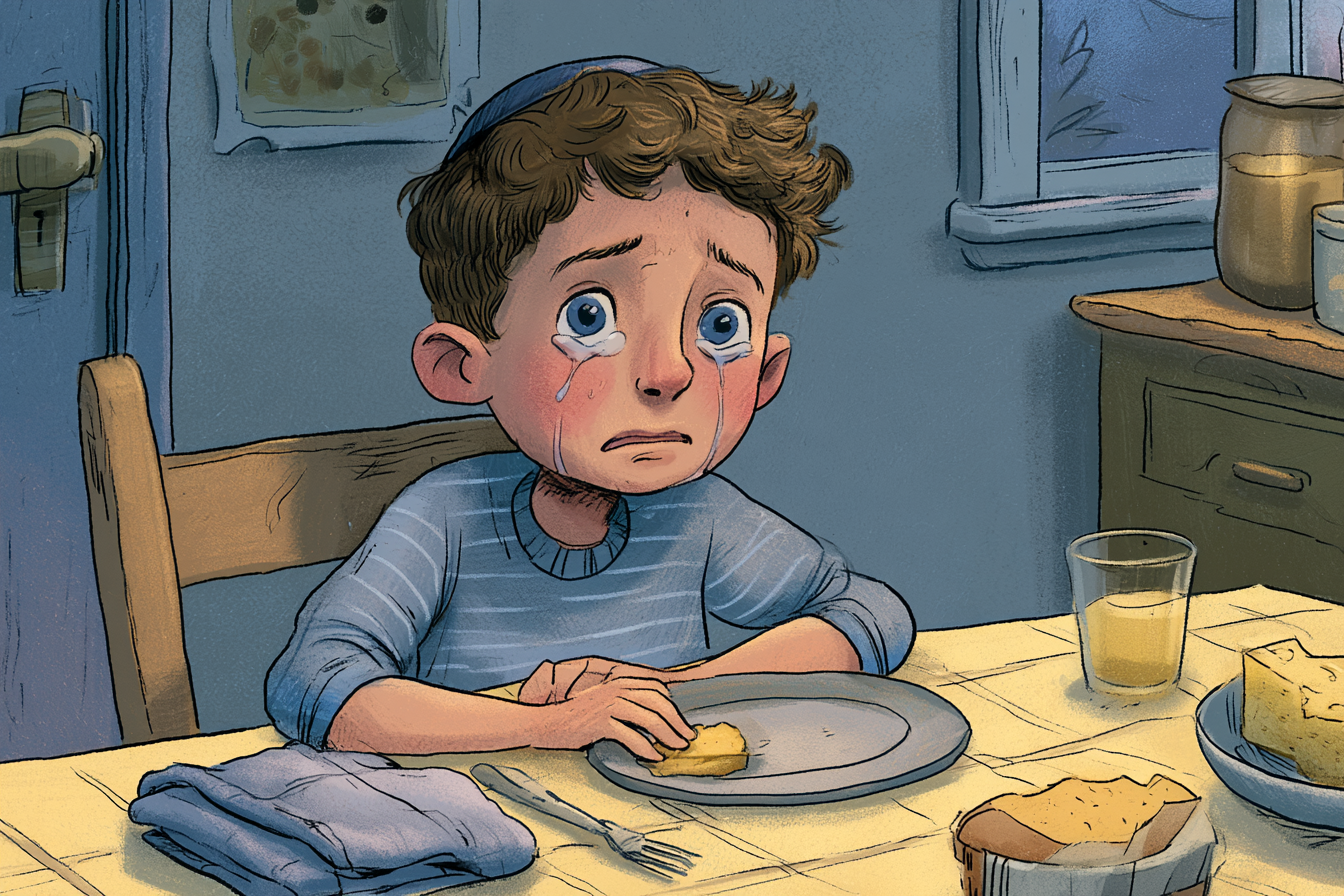
Is your child having a meltdown? These are strategies that work.
“Overdramatic.”
“Rigid.”
“Impossible.”
Have these words ever been used to describe your child?
Maybe, if you’re being honest, you’ve wondered the same thing yourself.
When parenting feels like a constant struggle, it’s easy to assume something is wrong. People may tell you, “You have to be firmer,” or “She can’t get away with this.”
Yet you’ve probably noticed that traditional parenting advice doesn’t always work. In fact, it may make things worse.
Here’s the good news: your child may not be difficult at all. They may simply be highly sensitive.
And once you understand what that means, everything starts to make a little more sense.
What Is a Highly Sensitive Child?
A highly sensitive person (HSP), or a deeply feeling child, experiences the world more intensely than others. They tend to notice details, emotions, and sensory input that many people miss. Because they process so much information, they can become overwhelmed more easily and often react more strongly.
Some sensitive children wear their emotions on their sleeves. Others appear quiet, compliant, and easygoing. Beneath the surface, they may be carrying big feelings and absorbing the emotions of everyone around them.
What Does This Look Like?
It can look like:
• A child melting down because their favorite shirt is in the laundry.
• Refusing to walk into a noisy simcha or crowded store.
• Arguing endlessly when plans change unexpectedly.
• Coming home from school exhausted and shutting down for the rest of the day.
For many sensitive children, everyday life can feel loud, busy, and overwhelming. A long school day, a crowded bus ride, a packed afternoon schedule, or a busy Shabbos can leave them emotionally drained before anyone realizes they’re struggling.
So, what can a parent do?
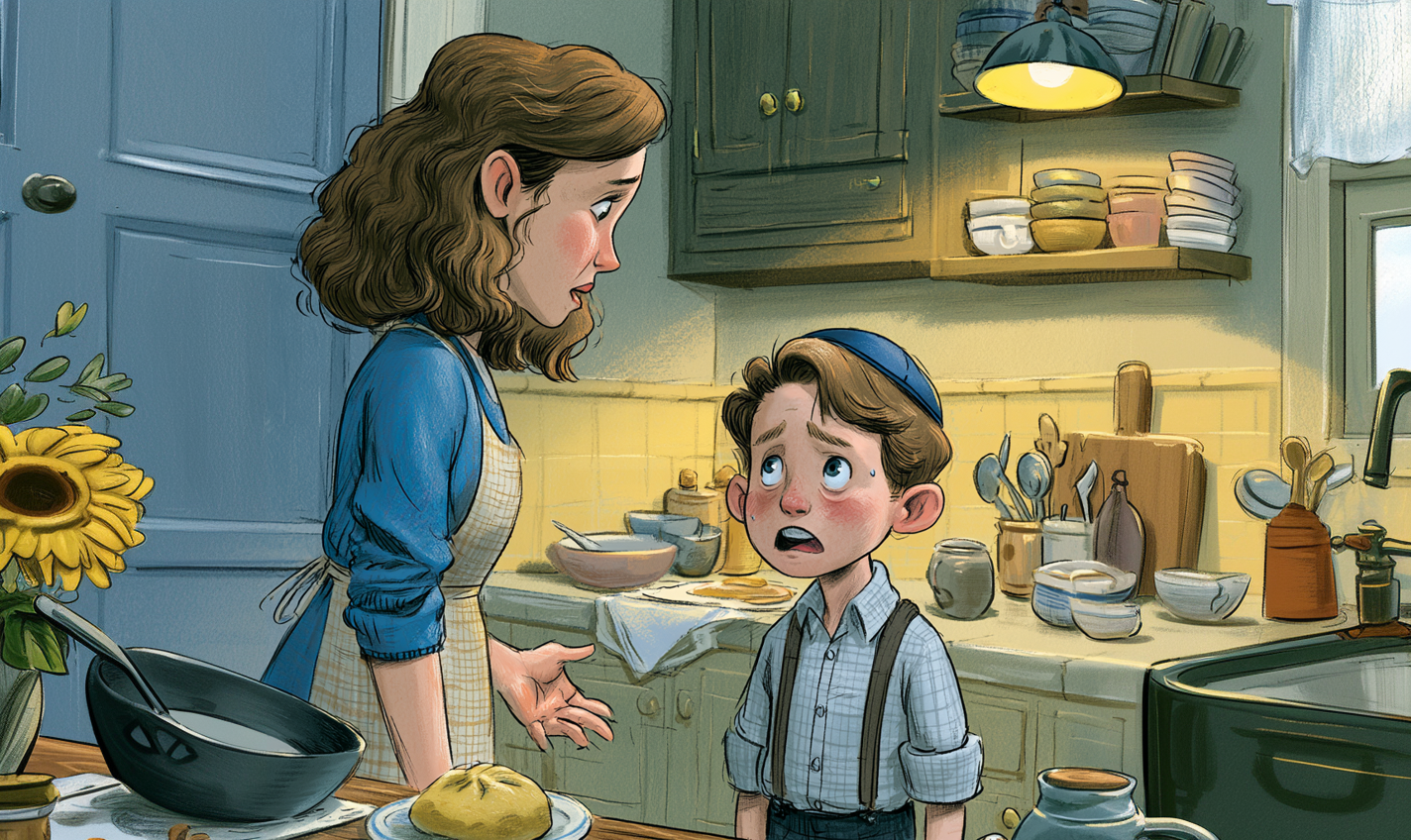
While a peaceful seaside cottage might sound tempting, most of us aren’t relocating anytime soon. The good news is that small, intentional changes can make a big difference.
By trying some of these strategies, you can strengthen your connection with your child while helping them develop emotional resilience and self-awareness.
1. Teach Emotional Vocabulary
Help your child learn the language of feelings. The better they can identify what’s happening inside, the easier it becomes to express those feelings appropriately.
2. Validate Feelings
Validation doesn’t mean agreement. It simply means helping your child feel understood.
“You look really disappointed that the trip was canceled.”
“I can see that you’re frustrated right now.”
Feeling understood often helps a child calm down faster than being corrected.
3. Teach Coping Tools
Give your child practical strategies they can use when emotions feel overwhelming.
Deep breathing, movement, a cold drink, listening to music, taking a break, or positive self-talk can all help regulate big feelings.
4. Build Mindfulness into Everyday Life
Mindfulness doesn’t have to mean sitting cross-legged and meditating.
It can be a quiet walk, stretching before bed, journaling, listening to calming music, or simply noticing five things you can see and hear.
5. Use Curiosity Instead of Correction
When your child becomes rigid or overwhelmed, try responding with curiosity, gentle humor, or empathy instead of arguing.
One especially powerful tool is the word “wish.”
“You wish you could stay home from school today.”
“You wish your brother would stop touching your things.”
Children often relax when they feel understood.
6. Help Them Find Meaning and Purpose
Sensitive children often thrive when they have a special interest, strength, or responsibility.
That might be baking, drawing, photography, music, gardening, organizing, biking, cooking, or helping younger siblings.
Show interest in what matters to them. Check books out of the library together, learn about the topic, or spend time working on it side by side.
Connection often grows when we enter our child’s world.
7. During Meltdowns, Say Less
When emotions are running high, children cannot process long explanations.
Stay nearby. Stay calm. Offer comfort.
Reduce words and increase presence.
Your calm nervous system can help regulate theirs.
Instead of anxiously waiting for the next storm, start looking for small opportunities to implement some of these ideas.
As your child experiences more moments of calm and connection, you’ll begin to see the beautiful strengths that often accompany sensitivity: empathy, intuition, kindness, creativity, thoughtfulness, and depth.
Those qualities are not weaknesses. They are gifts.













|