
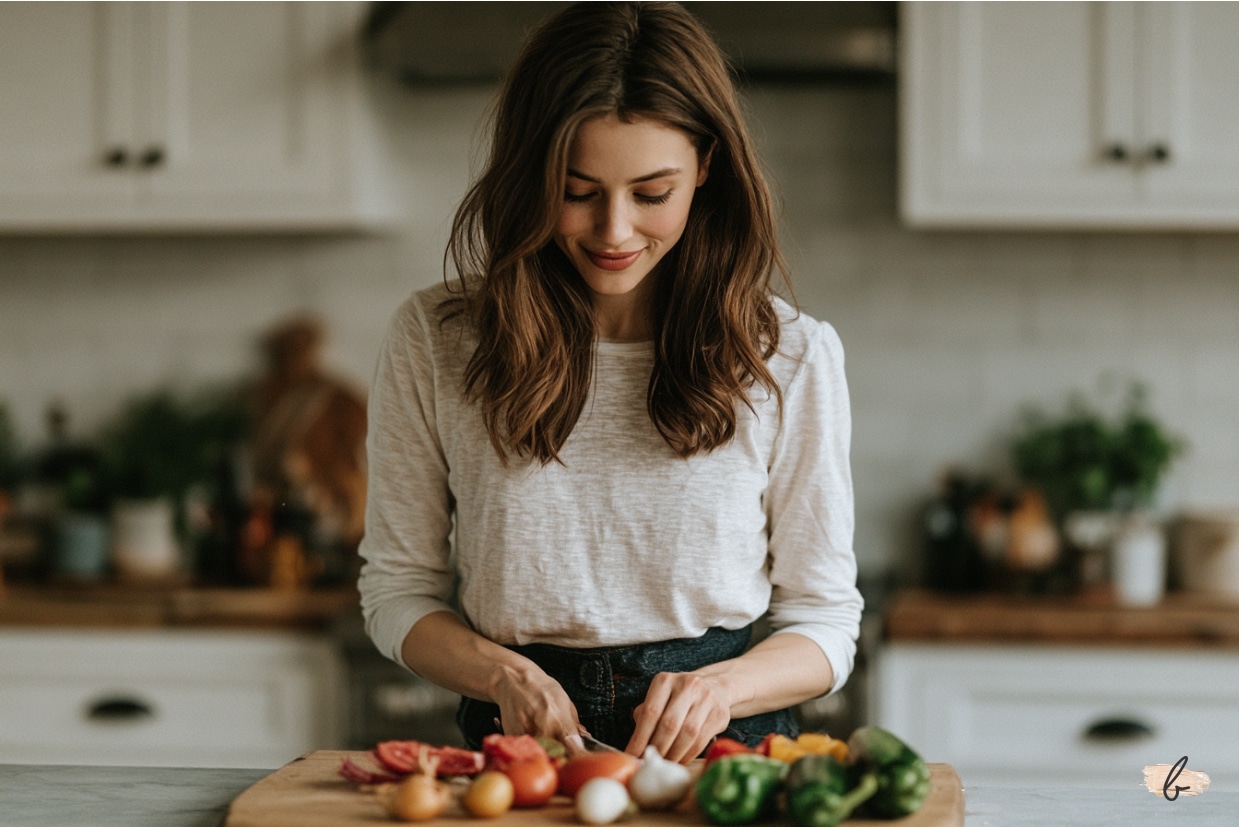
It’s in your power to create a home environment where healthy eating is just natural.
By Simi Schonbrun
Healthy eating usually has less to do with willpower, and much more to do with what’s happening in your kitchen day after day.
As busy mothers, we’re making hundreds of food decisions between school lunches, carpools, supper, snacks, Shabbos menus, and the kid asking for “just one more thing” five minutes before bedtime. The easier healthy choices feel in the house, the more naturally they happen for everyone.
The good news? Small changes to your home environment can make a huge difference without making your house feel “diet-y” and restricted.
Here are some tried and true ways to put this into practice in your home:
Most People Eat What’s Convenient.
If the cut-up watermelon is ready to grab after camp, it’ll usually get eaten before the chips hidden in the pantry. If there are hard-boiled eggs, cheese sticks, or cut up veggies in the fridge before a busy afternoon of errands and activities, they are likely to be packed for on-the-go munching.
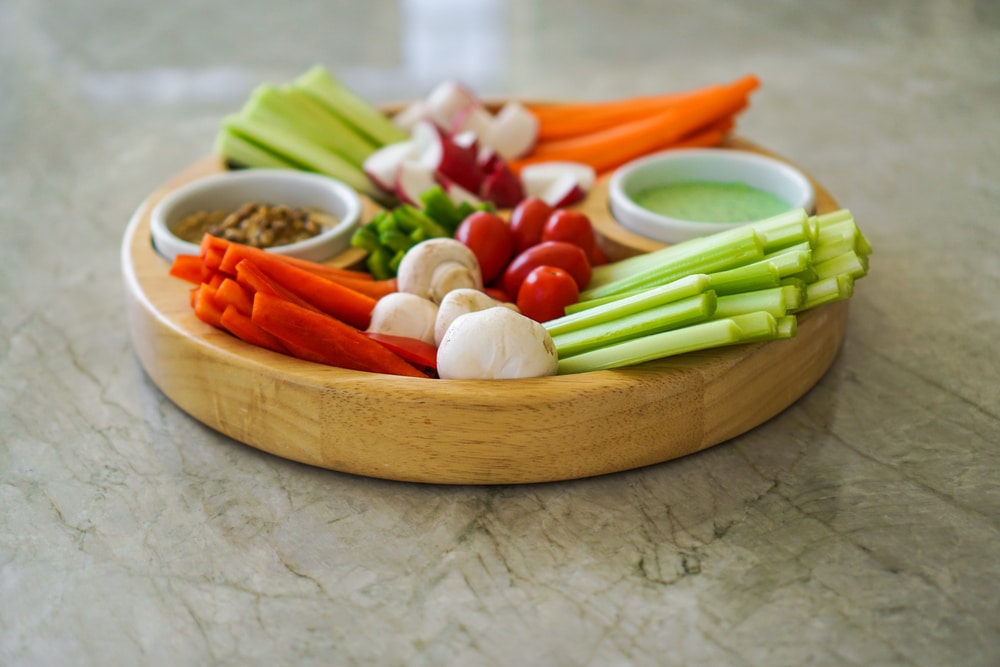
A few realistic systems that help:
• Wash/cut fruit or veggies as soon as you get home from shopping
• Keep easy proteins ready-to-go
• Put healthier snacks where kids can actually see them
• Keep one or two “emergency suppers” in the freezer for crazy days
Normalize Balanced Meals
Kids learn what’s “normal” from what they see over and over again.
That doesn’t mean every supper needs to look picture perfect. But when meals usually include a protein, some fiber, and produce, even in super simple ways, kids begin to expect that balance naturally.
Think:
• Pasta with grilled chicken and cucumbers
• Eggs and toast with fruit
• Pizza night with cut-up vegetables on the table
It’s less about perfection and more about patterns.
Create a Little Structure Around Snacking
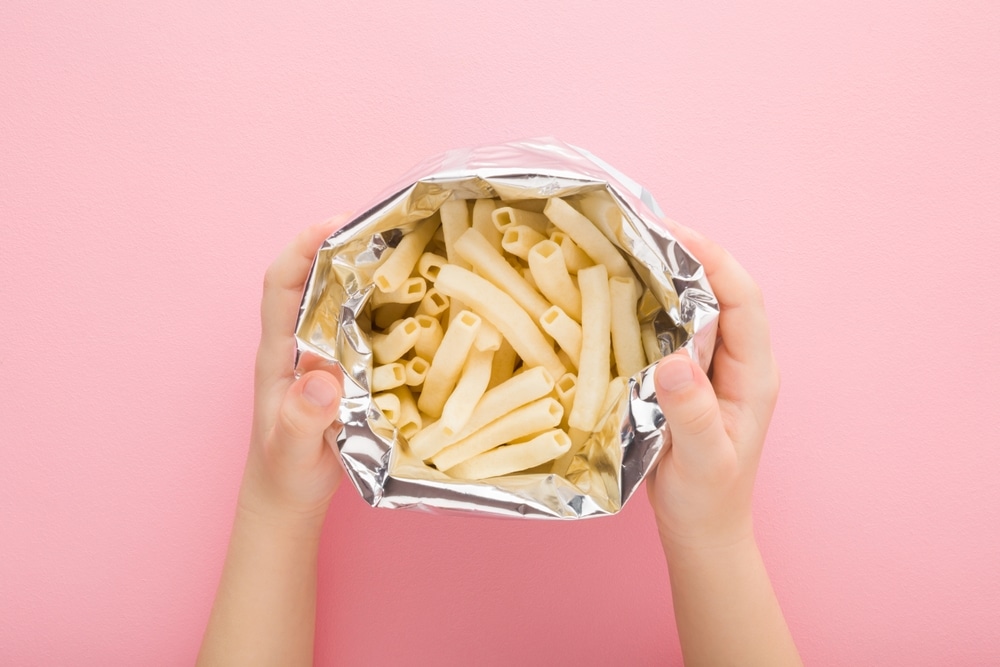
One of the biggest challenges in many homes is the endless grazing.
When kids walk into the kitchen every 20 minutes asking for another snack, it becomes hard for anyone to tune into actual hunger.
Having some gentle structure helps:
• After-school snack
• Supper
• Maybe one evening snack if needed
Not because we need rigid food rules, but because constant picking often leaves everyone feeling sluggish and unsatisfied anyway.
Keep the Food Environment Calm
Kids pick up quickly on stress around food.
If every conversation is about sugar, carbs, dieting, or “being bad,” food starts to feel emotionally charged. Usually, a calmer approach works better long term.
Serve balanced meals consistently. Keep nutritious foods around. Let treats exist without making them a huge deal.
Healthy eating at home often looks less like control — and more like consistency.
Focus on What Happens Most of the Time
No Jewish home is eating perfectly all the time — not on Shabbos, not on off days, not during Yom Tov season, and definitely not after a long day when everyone is hungry and tired.
And that’s okay.
The goal isn’t creating a perfectly healthy kitchen. It’s creating a home where nourishing choices feel easy, normal, and realistic most of the time.







|